
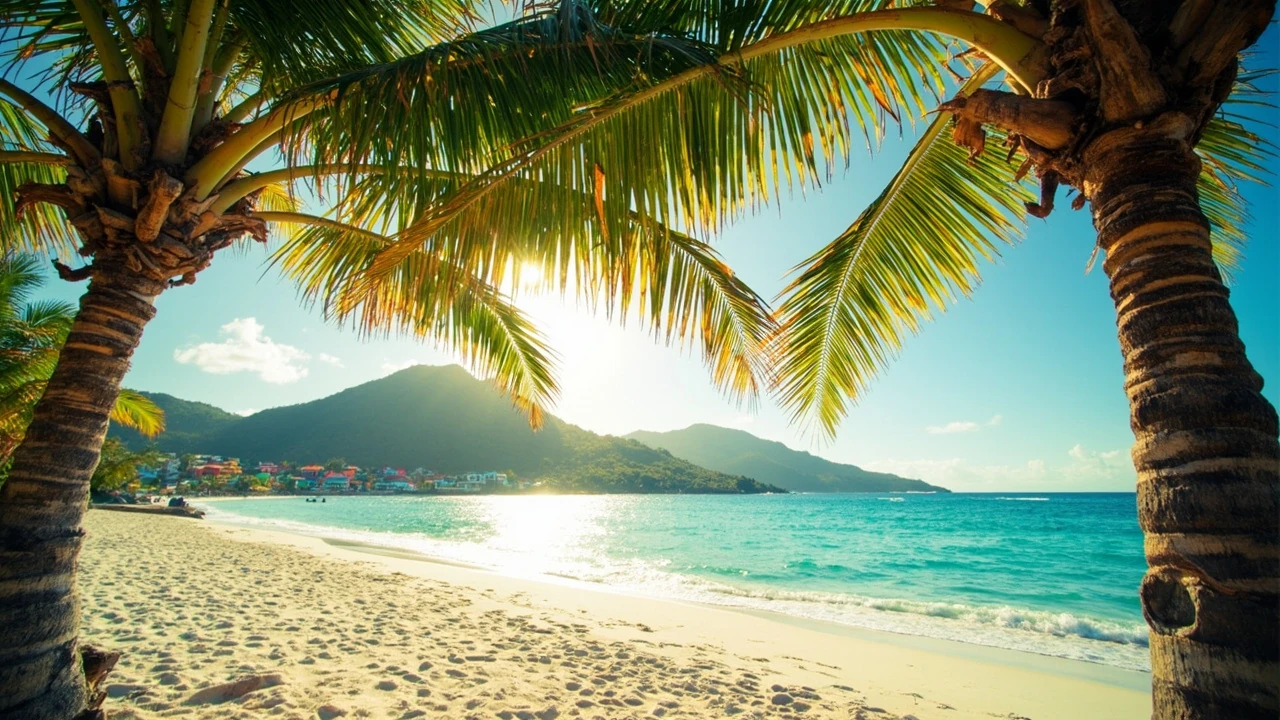
Dominican Republic tourist attractions for every kind of traveler
Choosing the right Dominican Republic tourist attractions can change a week of beach time into a much richer trip. Punta Cana and Punta Blanca offer familiar resort scenery, but the island also contains cobblestone streets in Santo Domingo, humpback whales near Samaná, waterfalls in the north, protected sand dunes in the east, and mountains that rise far inland from the Caribbean.
The best itinerary depends less on the number of places on a map than on the time available. A short beach holiday works well around Punta Cana or Bávaro. Five to seven days opens the door to Santo Domingo, Samaná, and the southern coast. Longer trips can add the Cordillera Central, but road transfers and mountain conditions require more planning.
This guide compares the country’s most appealing sights by location, experience, and travel demands. It also explains which combinations make sense geographically, where extra time is best spent, and what visitors should confirm before booking an excursion.
Start by choosing the right region for your trip
The Dominican Republic is small enough to cross in a few hours by road, yet its landscapes change quickly. Punta Cana occupies the far east, Santo Domingo sits on the south coast, Samaná lies on the north coast, and the central mountain range runs through the middle of the island. Jarabacoa, in particular, is more than another beach destination: it is the best base for rivers, waterfalls, caves, and outdoor activities.
| Region | Best attractions | Best for | Typical time to allocate | Main planning issue |
|---|---|---|---|---|
| Punta Cana and Bávaro | Resort beaches, Saona Island excursions, nearby nature areas | First-time beach trips and short vacations | 4–6 days | Heavy resort concentration and traffic around popular beaches |
| Santo Domingo | Zona Colonial, Alcázar de Colón, Malecón, museums and nearby beaches | History, food, culture and easy urban breaks | 2–3 days | Hot, busy streets; uneven sidewalks and traffic |
| Samaná peninsula | Whale watching, El Limón waterfall, beaches and rural scenery | Nature, road trips and slower travel | 2–4 days | Longer drives and seasonal marine conditions |
| La Romana and Bayahibe | Bayahibe, Playa Rincón,mountains and nearby coastal towns | Snorkeling, sailing and combining coast with countryside | 2–3 days | Boat schedules and availability vary by season |
| Jarabacoa and Constanza | Waterfalls, rafting, caves, pine forest and mountain roads | Families, hiking and active vacations | 2–4 days | Road conditions, elevation and weather sensitivity |
A simple rule is to pair one coastal destination with one inland or cultural destination. Punta Cana plus Santo Domingo works for travelers who want beaches and history. Samaná plus Jarabacoa makes sense for scenery and nature. Bayahibe plus the eastern interior suits travelers who prefer active days and boat excursions without relying on a large resort.
Try not to plan a day that moves between distant regions. Travel from Samaná to Punta Cana is substantial, and mountain roads can take longer than map estimates suggest. Two nights in a place usually create a better experience than a single overnight stop, but three or four nights are useful when whale watching, boat tours, and trail access depend partly on the weather.
Beach attractions range from swim breaks to protected coastlines
The country’s beaches are its most recognizable attractions, but the best choice depends on whether you want a resort day, active exploration, swimming with fish, or a quiet stretch of sand. Punta Cana and Bávaro provide the broadest range of resort services, while other coasts offer more varied landscapes and fewer large developments.
| Beach or coastal area | Distinctive appeal | Good for | Consider when booking |
|---|---|---|---|
| Punta Cana and Bávaro | Long resort beaches, clear water and easy access to excursions | Families, couples wanting convenience and all-inclusive stays | Higher concentration of hotels and commercial activity |
| Playa Rincón | Wide beach backed by palms and coastal vegetation | Swimming, beach walks and unhurried coastal sightseeing | Access is commonly by boat or tour rather than a frequent independent shuttle |
| Playa Rincón, Bayahibe | Protected beach known for reef snorkeling and calm offshore conditions | Snorkelers and travelers seeking an active day at sea | Boat trips may depend on weather and sea conditions |
| El Limón and Samaná coast | Waterfall-and-beach scenery, rural surroundings and open coastal views | Road trips, swimming and nature photography | Longer road journey from Santo Domingo or Punta Cana |
| Playa Bávaro | Broad Caribbean shoreline near major resort areas | Visitors who prioritize easy beach access from hotels | It can be busier than more remote beaches |
For the clearest water and most convenient resort experience, the Bávaro area is practical. It is especially suitable for families because restaurants, excursions, and transportation are easy to organize. If a quiet setting matters more than being close to a large hotel, look farther east toward Playa Rincón or consider the Samaná coast.
Boat-based beaches require more care in planning. The day may depend on marine conditions, and a departure listed for morning may shift with the operator’s judgment. Ask whether the excursion includes equipment, whether it visits more than one stop, and how much time remains on shore. A trip that sounds long on paper may spend most of the day on the boat, so the number of beach hours matters.
Snorkelers should prioritize the type of outing over the beach photograph. A shallow reef trip offers a different experience from a boat ride that passes several snorkeling locations. Conditions also vary by season, so operators may change routes. Avoid booking a tightly scheduled return flight or onward connection immediately after a weather-dependent offshore excursion.
Santo Domingo reveals the island’s colonial and urban side
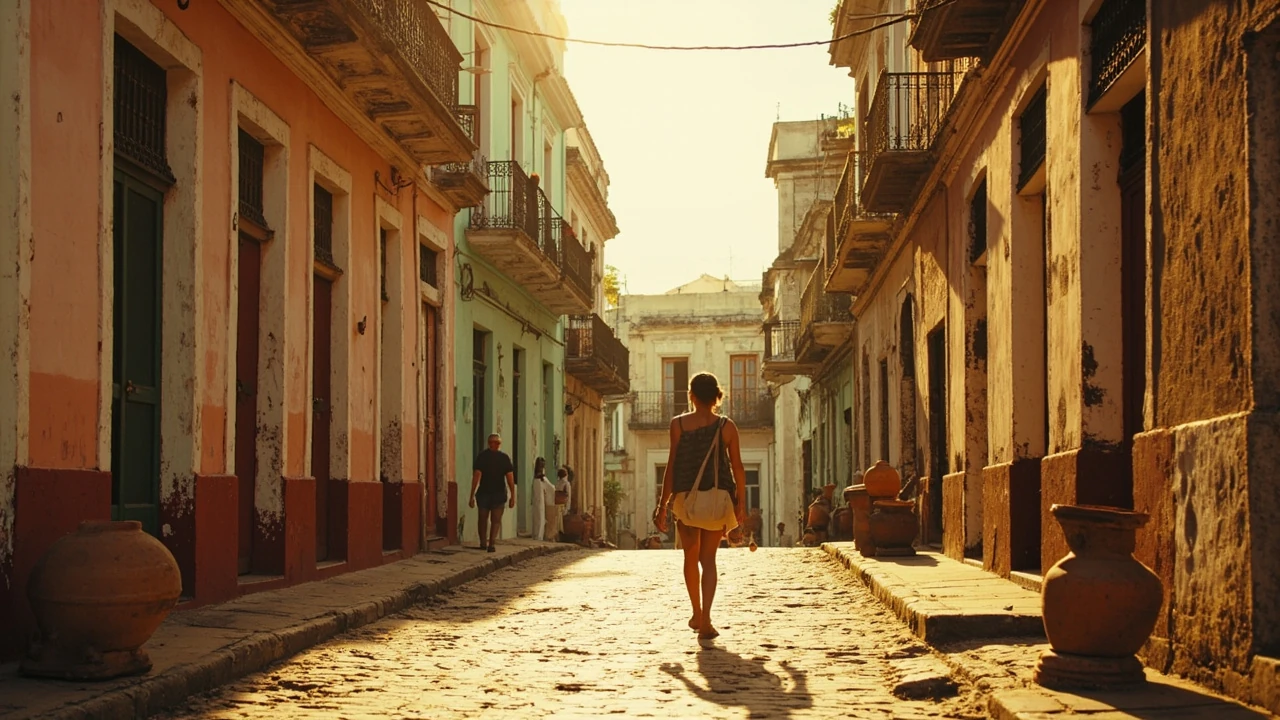
Santo Domingo is more than an airport stop. The Zona Colonial contains streets that reward slow exploration, while the Malecón provides an easy waterfront route along the Ozama River. A visit here suits travelers who want architecture, local meals, museums, and less dependence on resort schedules.
The old city’s major sights are close enough to visit over two or three days, although the heat and walking distances make breaks important. The Alcázar de Colón offers a look at the colonial-era structure that served as a residence for Diego Columbus and his family. Nearby are the Alcazares Coloniales, the home of Christopher Columbus’s son Diego, and the Casa del Almirante.
The Catedral Primada de América is another central landmark. Its interior includes the tomb of Christopher Columbus, though the specific access arrangements around the remains have changed over time. Visitors should follow current local instructions rather than relying on photographs or old descriptions.
Across the river, the modern Malecón is a different experience from the narrow streets of the old city. It is a long waterfront promenade where residents walk, jog, eat, and watch the river. Nearby beaches such as Bahía de las Águilas and Boca Chica are easier to pair with a city stay than the remote southern coastline.
Food is one of the strongest reasons to spend an extra evening in Santo Domingo. La Casita de Papi and Pat’e Palo are associated with Dominican dining in the Zona Colonial, while Mercado Modelo is a useful place to browse and eat. Popular restaurants change schedules and reservation practices, so verify details directly and avoid building an entire evening around a single venue without a confirmed booking.
Use a mix of walking, a taxi, and public transportation. Historic cobblestones can be difficult for wheelchairs, and some side streets have uneven surfaces. Taxis are practical for longer crossings, while organized group shuttles make sense when luggage is involved. Walking after dark is possible in busy central areas, but a vehicle is more comfortable between distant colonial landmarks and the Malecón.
Samaná and the northeast combine wildlife with coastal exploration
The Samaná peninsula is often described through its beaches, yet its strongest attraction is the seasonal presence of humpback whales. From January through March, visitors can join qualified whale-watching excursions from the Santa Barbara port area. The animals migrate along this coast, and their timing is not controlled by a fixed schedule.
Whale watching is regulated through licensed providers, and operators follow seasonal rules. A responsible booking should identify the departure port, group size, and what happens if conditions prevent a sighting. The experience is not comparable to a zoo attraction; whales remain in open water, and sightings cannot be guaranteed.
El Limón is the peninsula’s signature waterfall. A boat trip or combination excursion can include travel along the coast, a landing near the falls, and time to swim in the natural pool. Water levels vary, and the climb to the upper viewpoint can be slippery. Visitors with limited mobility should ask specifically about access before booking.
Other coastal stops include beaches such as El总体, Santa Barbara, and Las Terrenas, though conditions and current local names should guide the final selection. Samaná town offers a straightforward place to arrange food and transportation, while Las Terrenas has a more resort-oriented atmosphere with beaches and small hotels.
For broader context, the country’s tourism sector reflects the importance of beaches, colonial heritage, mountains, and wildlife to the visitor economy. Those attractions are geographically distinct, so combining too many of them can result in a schedule made mostly of airport transfers and highway time.
Allow enough travel time. The road from Santo Domingo reaches the Santa Barbara area after a long drive, and the roads around the peninsula are not always as direct as the map suggests. A whale excursion may begin early, so travelers who want breakfast or a hotel spa should not schedule those activities too close to departure.
The area works best for people who can tolerate a little less certainty than a conventional resort itinerary. Weather can change marine plans, and rural roads can make a delay more consequential. That flexibility is also part of the appeal: the same trip that produces a memorable wildlife encounter can reveal quiet coves and working coastal communities when the seas are calm.
Jarabacoa and the mountains suit active travelers
Jarabacoa is the leading base for Dominican Republic mountain attractions. It sits among the Cordillera Central, where waterfalls, white-water rivers, caves, and pine-covered slopes create a completely different landscape from the coast. Constanza, farther into the mountains, is the country’s highest incorporated city and a useful base for scenic road trips.
Common activities include rafting on the Río Yuna, canyoning or canyoneering with qualified guides, caving, mountain biking, and visits to waterfalls. Each carries different demands. Rafting and canyoning require physical effort and appropriate equipment. Cave routes may involve tight spaces, water, helmets, and guide instructions. A waterfall viewpoint can be less demanding but may still involve slippery trails.
The 27 Charcos de Damajagua is a cluster of rock pools and short waterfalls near Jarabacoa. Visitor access has changed over time, including periods when the site was closed or managed more tightly, so travelers should verify current status with local authorities or their accommodation. The same advice applies to waterfall areas affected by rain.
Pico Duarte, the country’s highest summit, is a separate undertaking rather than a casual city excursion. The established routes involve multi-day hiking, mountain huts, permits, and guide requirements. Weather, river conditions, and park management can affect access. Even experienced hikers need to confirm the route, transportation, registration requirements, and current trail conditions rather than relying on an old blog itinerary.
| Mountain experience | Best base | Physical demand | Access consideration |
|---|---|---|---|
| Waterfall and pool visit | Jarabacoa | Low to moderate | Rain affects water volume and trail conditions |
| Rafting | Jarabacoa | Moderate to high | Guide, safety equipment, and age or fitness limits may apply |
| Canyoning | Jarabacoa area | Moderate to high | Use licensed operators and follow guide instructions |
| Caving | Jarabacoa and surrounding region | Low to moderate | Routes differ in darkness, water, and required equipment |
| Pico Duarte trek | Trail-specific staging areas | High | Multi-day preparation, permits, and current park guidance |
Mountain roads also need a different travel mindset. Rain can produce potholes, landslides, or slowdowns, and cell service may be inconsistent. A driver arranging a car for the day is often more flexible than relying on a fixed public schedule. Travelers who want scenery without strenuous activities can combine Jarabacoa with a paved scenic drive and short stops rather than attempting a major summit.
La Romana, Bayahibe, and the east offer a balanced itinerary
La Romana is a practical coastal base with a resort zone, an active city, and access to nearby natural attractions. Bayahibe is especially associated with Bayahibe Bay, where boat operators run snorkeling and coastal trips. For some travelers, these places offer a more relaxed alternative to the scale of Punta Cana.
Playa Rincón lies along this eastern coastal landscape and is often visited by boat. The experience can combine an open beach, swimming, and views of undeveloped-looking shoreline. Because many visits depend on marine conditions, it is wise to leave another day available if the beach itself is the main reason for booking.
Other eastern highlights include the nearby mountains and cacao-growing landscapes. These stops work well for travelers interested in food, farming, and scenery rather than a tightly packed sightseeing list. They also create a logical bridge between resort time and the more rural northeast.
A five-day version of this route might use one day for Bávaro or Punta Cana, one for Bayahibe and a boat excursion, one for Playa Rincón, and the remaining time for Santo Domingo or the mountain interior. The advantage is that the trip feels varied without repeatedly crossing the entire country.
Check local operators carefully. A boat excursion should specify its destinations, duration, equipment, cancellation terms, and what happens in rough seas. For small-group experiences, ask how many passengers will be aboard. For travelers prone to seasickness, the type of vessel and route may matter more than the advertised duration.
Build a realistic day-by-day route
A good itinerary leaves room for travel and does not turn every daylight hour into another reservation. Most successful trips pair a few signature experiences with unscheduled time at the beach, in town, or around the hotel. This approach is particularly important in a country where roads can take longer than expected.
- Begin with the destination that best matches your priorities. If relaxation is the main goal, stay near Bávaro or a quiet coastal area. If history and food lead the trip, begin in Santo Domingo. Active travelers can start in Jarabacoa, where waterfalls and outdoor activities are close at hand.
- Limit the first transfer to something manageable. A long international arrival followed by several hours of driving can make the rest of the trip feel rushed. For a short vacation, choosing one base and making day trips is often better than changing hotels repeatedly.
- Add no more than two major activity zones. Punta Cana with Santo Domingo, Samaná with Bayahibe, or Jarabacoa with La Romana are combinations that make geographic sense. Three zones can work only with generous travel days and little else scheduled.
- Place weather-dependent activities early enough to recover. Boat trips and mountain excursions should not share a day with a long-distance flight, wedding, or nonrefundable evening plan.
- Reserve the best weather for the most valued activity. If whale watching, snorkeling, or hiking matters most, keep a flexible day available rather than scheduling it as the only fixed point of the trip.
| Trip length | Recommended structure | What to leave out |
|---|---|---|
| 3–4 days | One resort or coastal base plus a half-day or full-day excursion | Cross-country travel and multiple changing hotels |
| 5–7 days | Two bases, such as Santo Domingo plus Samaná or Punta Cana plus Jarabacoa | Attempting to visit every major region |
| 8–12 days | Three bases with one flexible or weather-reserve day | Back-to-back full-day tours |
| Two weeks or more | A slower regional circuit with more time for hikes, boats, and rest | Overpacking the schedule with short stops |
Sample seven-day itineraries can guide the shape of a trip without being copied exactly. A culture-and-coast version might spend two nights in Santo Domingo, two near Samaná, and three around Punta Cana. A beach-and-nature version might split the week between Bávaro, Bayahibe, and Jarabacoa. A slower version could use five nights in one coastal area, one or two nights in Jarabacoa, and a final night near Santo Domingo for departure.
Transfer days count as days. If the outbound flight leaves before noon, reaching a remote beach or the mountains that afternoon may not be realistic. A safe plan uses the first day for arrival, the second for the primary activity, and the final day for departure with a margin for traffic and delays.
Avoid common mistakes when visiting the Dominican Republic
The biggest planning errors usually come from treating every attraction as equally accessible. Punta Cana is convenient for beach travelers, but it is not an ideal base for frequent day trips to Santo Domingo or Samaná. Staying in a small coastal town may be more atmospheric, yet it can make restaurants, transfers, and early excursions harder to arrange.
Do not rely on an old list of entrance fees, opening hours, or trail rules. Fees and operating arrangements can change, and natural attractions may temporarily close after heavy rain. Confirm current details with an official site, a reputable local operator, or the property where you are staying. For important excursions, written confirmation is preferable to a verbal assurance made days earlier.
Be cautious with self-driving after dark. Long stretches of highway are relatively straightforward, but local roads near attractions can be narrow, unlit, or confusing. If you do not know the roads, a licensed driver can be worthwhile for a full-day mountain or coastal excursion. Avoid the pressure to rent a car simply because it appears inexpensive; insurance, deposits, and one-way rules can change the final cost.
Pack for the destination rather than copying a generic Caribbean list. Bring swimwear, reef-safe sunscreen, a hat, and water-resistant footwear for waterfalls. Add closed shoes, a light rain layer, and modest clothing for churches and local communities. Insect repellent is useful in rural and wet areas. Heavy luggage is inconvenient on cobblestones, boat boarding, and short transfer walks.
Supporting local businesses is not limited to dining at an expensive restaurant. Independent guides, small coastal inns, local food stalls, and community-based excursions can distribute more of the visitor’s spending within the places they visit. Choose operators who explain safety practices, avoid pressure to buy jewelry, and do not treat wildlife encounters as staged spectacles.
Frequently asked questions
What are the best Dominican Republic tourist attractions for a first visit?
For a first visit, most travelers get the broadest introduction by combining Santo Domingo’s Zona Colonial with the beaches around Punta Cana or Bávaro. Those places provide history, food, coastal scenery, and easy resort access. Samaná is a strong alternative when wildlife and quieter scenery matter more than staying near a large hotel.
Which Dominican Republic beach is best for a relaxing vacation?
The best beach depends on the type of vacation. Bávaro and Punta Cana suit travelers who want restaurants, hotels, and organized activities nearby. Playa Rincón and the Samaná coast provide a more natural setting, although access and transport can be less convenient. The Bayahibe area is a practical middle ground for boat excursions and a slower coastal pace.
Is Santo Domingo worth visiting if I am staying in Punta Cana?
Yes. The historic city is the country’s strongest stop for colonial architecture, food, and urban culture. It is best treated as an overnight or day trip rather than a hurried stop between airport transfers. Staying at least one night gives you time for the Zona Colonial, the Malecón, and a restaurant visit without making the journey feel like a commute.
What is the best time to see humpback whales near Samaná?
Humpback whales are generally associated with the winter season, commonly January through March. The peak and exact activity vary from year to year because the animals follow a natural migration. Licensed operators follow seasonal rules and safety limits. Book a flexible itinerary and ask how the operator handles cancellations or sea conditions.
Are the waterfalls around Jarabacoa suitable for families?
Many are suitable for a family day trip, but the difficulty differs considerably. A viewpoint or accessible swimming area may work well for younger children, while rafting, canyoning, and steep trails are better for active travelers. Confirm the minimum age, physical requirements, water conditions, and available equipment before choosing an excursion.
Can I visit Punta Duarte in a day trip?
A day trip is possible in principle, but it is demanding and should not be treated like a casual mountain viewpoint. The journey involves elevation changes, long travel, and a demanding climb. Weather and current trail conditions can change the experience. Travelers without hiking experience should consider a shorter mountain route or a guided activity near Jarabacoa instead.
How many days are enough for the Dominican Republic?
Four or five days are enough for one resort area and a few excursions. Six or seven days allow two distinct regions without excessive transfers. A longer trip is useful for adding mountains, wildlife, or multiple coastal areas. The best duration depends on how much road travel you are willing to accept.
Do I need an all-inclusive resort to visit the main attractions?
No. An all-inclusive property is convenient, but it is not required. Smaller hotels and guesthouses can work well in Santo Domingo, Samaná, Jarabacoa, and coastal towns. Non-resort stays usually provide more local contact and may suit travelers who plan to eat in restaurants, explore markets, or move between regions.
What should I pack for the Dominican Republic?
Pack lightweight clothing, swimwear, sunscreen, a hat, insect repellent, and water-resistant shoes. Closed shoes are useful for cobblestones and trail approaches. Add a light rain layer, particularly for mountains and waterfalls. Pack modest clothing for religious sites and a small day bag for boats and excursions.
What should I confirm before booking a Dominican Republic excursion?
Confirm the meeting point, departure time, duration, included equipment, group size, cancellation policy, and age or fitness requirements. Ask what happens if weather or water conditions prevent the main activity. For wildlife, boat, hiking, or canyoning trips, verify that the operator uses qualified guides and appropriate safety equipment.

Leave a Reply