

Tourist attractions in Ecuador: how to choose the right places
A trip to Ecuador can feel surprisingly different depending on the route. A traveler might spend one morning among sea lions in the Galápagos, walk beneath colonial balconies in Quito, ride a mountain road toward Cotopaxi, and finish beside the Pacific surf. Those experiences belong to one country, but they demand different clothing, transportation plans, and levels of physical effort.
Choosing the best tourist attractions in ecuador starts with the kind of landscape you most want to see. The Galápagos is the strongest choice for wildlife and island scenery. Quito and the surrounding Andes suit travelers interested in architecture, history, markets, and high-altitude scenery. The Amazon and northern cloud forests provide a different experience centered on forests, rivers, and specialized wildlife. Along the Pacific coast, beaches and marine reserves offer a slower, warmer alternative.
Most first-time visitors benefit from choosing two or three major regions rather than attempting to cover the entire country. Distances are substantial, flights and paved roads cost time, and weather can change quickly in the Andes. A practical plan also needs to distinguish a major attraction from the route required to reach it. For example, Otavalo is close enough to Quito for a day trip, while the Galápagos requires flights and boat transfers. A trip to the Amazon may also require an overnight river journey rather than a simple excursion from Quito.
This guide compares the leading destinations by setting, experience, access, and the kinds of travelers they suit. It also explains where to spend more time, what to confirm before booking, and how to assemble an itinerary that leaves room for the country’s varied landscapes and climates.
How to match Ecuador’s main regions to your travel style
Ecuador’s size makes regional comparisons more useful than a simple ranking. A destination that is exceptional for one activity may be disappointing for another. The Galápagos cannot be replaced by a mainland wildlife park because its endemic species and volcanic islands exist nowhere else. At the other end of the spectrum, a beach week in Ecuador does not require the planning involved in reaching remote islands. Choosing by travel style keeps the itinerary realistic.
| Region | Best for | Typical visit | Planning consideration |
|---|---|---|---|
| Quito and central Ecuador | Historic architecture, museums, markets, and easy access to Andean day trips | Two to four nights in Quito, with optional excursions | Allow time to acclimate to the city’s elevation |
| Galápagos Islands | Wildlife, snorkeling, hiking, and boat-based island exploration | Three to five nights for many visitor routes | Entry rules, park fees, and boat logistics require advance planning |
| Cotopaxi and Tungurahua | Volcanic scenery, highland farms, and outdoor experiences | A day trip or overnight excursion from Quito | Road and weather conditions can affect access |
| Cuenca and the southern Andes | Historic streets, craft traditions, surrounding landscapes, and a slower pace | Two to three nights | Check onward transport before booking a long excursion |
| Otavalo and northern Ecuador | Markets, textile crafts, mountain scenery, and lakes | One to two nights, or a day visit | Weekend market activity differs from weekday visits |
| Amazon lowlands | Rainforest wildlife, river travel, birdwatching, and community experiences | Two or more nights, often with an overnight stay | Choose the base and transport method carefully |
| Pacific coast | Beaches, surfing, sea life, and coastal towns | Two to five nights or longer | Road access and seasonal conditions vary by destination |
Altitude is the factor many travelers overlook. Quito sits high in the Andes, and several major mountain destinations sit at similarly significant elevations. Travelers arriving from sea level may need their first day for rest, food, and gentle sightseeing. That makes a short stay in Quito useful even when the main goal is a volcano, market, or wildlife excursion outside the city.
Seasonality matters as well. The Galápagos has a warmer season that can bring more humid conditions and heavier seas, while the dry season can make some mainland travel easier. The mainland highlands and Pacific region also have distinct wet and dry patterns. Rather than assigning exact dates without checking current conditions, experienced travelers compare regional forecasts and confirm how local operators describe the season.
- Start with one anchor region: Quito, Cuenca, the Galápagos, or a coastal base.
- Add no more than one contrasting region if the trip is shorter than a week.
- Place demanding hikes or high-altitude activities after an acclimatization period.
- Leave a travel day for international flights, especially before a multi-day excursion.
- Reserve activities that depend on boats, weather, or permits before buying inflexible onward tickets.
For travelers comparing national parks or coastlines across the Americas, the guide to Dominican Republic famous landmarks offers a useful contrast with the mountain-and-rainforest character of Ecuador. Likewise, Sri Lanka beaches change depending on which coast you pick illustrates why a beach destination should be judged by its particular coast and conditions rather than by its country label alone.
Galápagos attractions: wildlife, volcanic islands, and ocean encounters
The Galápagos is the most distinctive part of any list of tourist attractions in ecuador. Its value comes from the convergence of young volcanic landscapes, isolated marine environments, and species found nowhere else. It is not simply a large aquarium or a conventional wildlife reserve. Visitors move between islands by boat, then explore on foot, by small boat, or with snorkeling equipment, depending on the itinerary and local conditions.
Wildlife viewing requires patience and respect for the rules that protect the islands. Marine iguanas bask on dark lava. Lava cormorants and frigate birds work above the ocean. Galápagospenguins occur on parts of Isabela Island, while blue-footed boobies perform their famous courtship displays around the seabird colonies. Sea lions often rest close to people, though their behavior and the distance visitors should keep vary by location.
A useful overview of the Galápagos Islands can help travelers understand the archipelago’s geography before choosing a route. The islands are separated by distance, and an itinerary should not be designed as though moving between them is as quick as crossing a city.
| Island or island group | What travelers commonly experience | Best consideration |
|---|---|---|
| Santa Cruz | Wildlife viewing, the Charles Darwin Research Station, crater landscapes, and easier access to other parts of the archipelago | A common starting point for first-time itineraries |
| Santiago | Volcanic scenery, lava fields, marine life, and opportunities for wildlife viewing | Itineraries often combine it with nearby stops |
| Isabela | Longer walks, volcanic terrain, sea lions, and wildlife associated with the western islands | Allow more time and expect transfers by boat |
| Santa Fe | Dry-land species, sea lions, mangroves, and opportunities for walking and snorkeling | Its terrain and wildlife focus differ from wetter islands |
| Floreana | Historic associations, marine encounters, and a quieter island environment | Best suited to travelers comfortable with a less extensive schedule |
| Española | Sea lions, marine iguanas, sea turtles, and a dry coastal landscape | Long walks can be physically demanding |
Island-hopping boats can be efficient for seeing a broad area, but their schedule is not the same as a small-group land tour. Some travelers value time for wildlife observation more than the number of islands visited. A shorter itinerary may also be better for people who do not enjoy constant packing, boat transfers, or early starts.
Naturalist-led small-group travel can help travelers identify birds, reptiles, and marine species, but the quality varies with guide expertise, group size, and the time spent ashore. Before booking, ask whether the itinerary includes a naturalist, what equipment is provided, and whether snorkeling is conducted under appropriate supervision. Visitors should also review the official park requirements because rules, permits, fees, and health procedures can change.
- Pack lightweight, closed-toe shoes that handle volcanic rock and slippery landings.
- Bring sun protection, a refillable bottle, and a dry bag for electronics.
- Choose a snorkel mask you have used before if you are not a confident swimmer.
- Follow all instructions about wildlife distance, marked trails, and landing zones.
- Carry motion-sickness medication if you are vulnerable, after checking with a qualified clinician.
Marine iguanas and sea lions often receive the most attention, but the smaller details are memorable: a flight of Galápagos shearwaters over the water, a coconut palm bent by trade winds, or an octopus changing color below the surface. The strongest Galápagos itineraries leave enough time for these quieter encounters instead of treating every stop as a checklist.
Quito attractions: historic streets, mountain views, and nearby culture
Quito is a practical first stop for many travelers because the capital sits within striking Andean terrain and provides access to several famous destinations. Its historic center contains dense concentrations of colonial architecture, religious buildings, museums, plazas, and steep streets. At the city’s edges, the landscape rises toward the slopes of Pichincha. The contrast between a tightly packed historic city and a vast mountain setting defines Quito’s appeal.
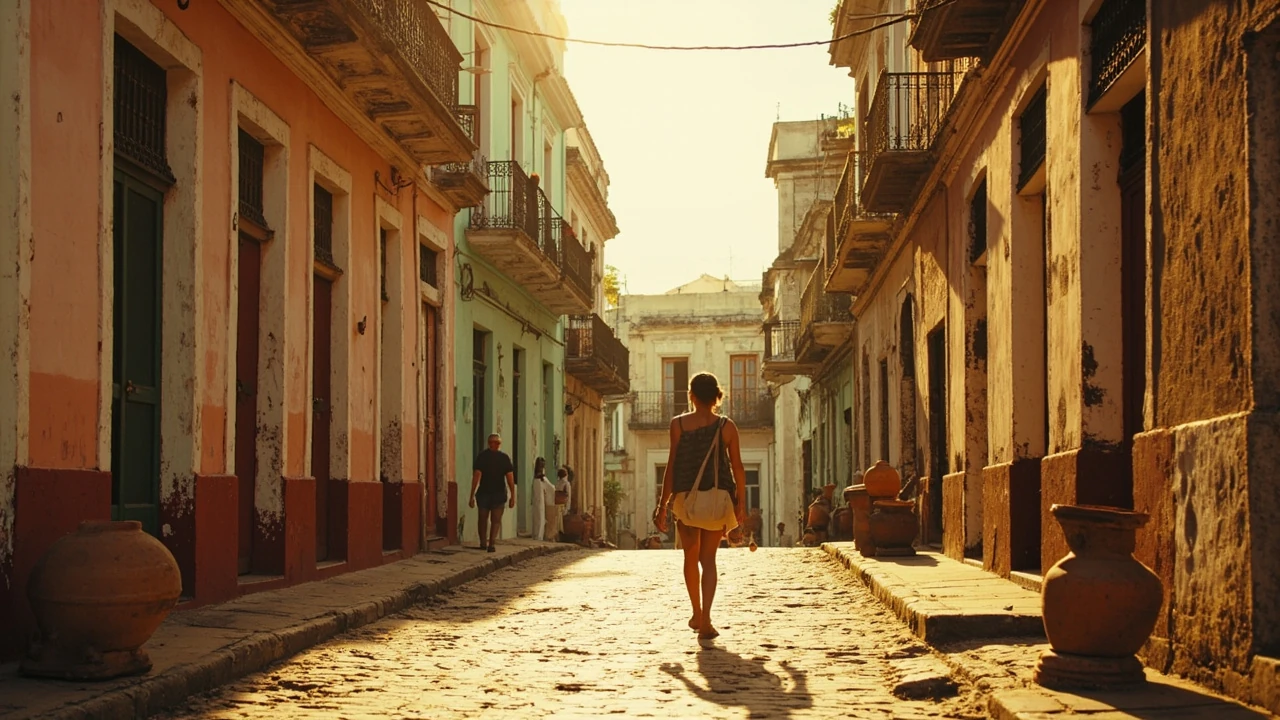
The historic center rewards travelers who walk slowly. Its main plaza forms a useful orientation point, while nearby churches, courtyards, stairways, and viewpoints reveal different parts of the city. Many streets are paved with stone and can become uneven, so comfortable shoes matter. A visitor interested in art, religious history, or Ecuador’s complex colonial past can spend several hours moving between museums and architectural landmarks rather than rushing through a list.
Market visits add another layer. The city’s central market complex includes food stalls, produce, crafts, and opportunities to observe daily commerce. It can be crowded and visually intense, so the best experience depends on curiosity, patience, and whether the traveler wants to browse broadly or focus on particular foods. Buying directly from craft sellers may also require more time because the stallholder may explain the materials or production process.
Quito also works well as a base for day trips. Otavalo is a common excursion for its market and Andean setting, while the foothills of Pichincha offer a different combination of forest, farmland, and mountain scenery. For a longer excursion, Cotopaxi provides broad volcanic landscapes and opportunities to visit rural areas outside the capital. These trips involve different roads, elevations, and weather conditions, so each deserves its own planning.
- Old Town: historic plazas, colonial buildings, museums, and steep pedestrian streets
- La Candelaria: colorful facades, neighborhood restaurants, and a strong sense of scale
- Santo Domingo: market activity, food, and everyday city life
- La Merced and nearby central districts: market stalls, craft shops, and local commerce
- Quito viewpoints: city panoramas set against Andean peaks
Altitude affects the pace. A visitor who walks briskly across the center on arrival may feel short of breath without realizing why. The practical response is to plan lighter first-day activities, keep the pace moderate, eat normally, and avoid pushing through symptoms of altitude illness. Severe headache, confusion, breathlessness at rest, or repeated vomiting requires prompt medical attention rather than continued sightseeing.
A good Quito itinerary does not try to place every museum and viewpoint into two days. Pick a few central interests, leave open space for meals and street observation, and reserve a day for an excursion if the city is only a stop. For travelers arriving on a long international flight, a quiet first night can make the rest of the journey more comfortable.
Andean attractions: Cotopaxi, Otavalo, Cuenca, and highland scenery
Ecuador’s highlands combine dramatic volcanic terrain with farming valleys, woven-textile traditions, colonial towns, and indigenous markets. These destinations are related by elevation, but they offer distinct experiences. Cotopaxi is primarily a landscape and outdoor destination. Otavalo is centered on a market and regional culture. Cuenca combines a historic urban center with access to southern mountain scenery.
Cotopaxi National Park is one of the most recognized natural attractions in Ecuador. The For additional context, broad park includes volcanic terrain around Cotopaxi and other peaks, with landscapes that feel much more expansive than those around Quito. Visits may involve driving, walking, and stops at rural sites. Because highland weather can shift quickly, a good operator should explain how the day changes when clouds, rain, or strong winds affect the route. Visitors should also confirm walking distances and the amount of time spent in the vehicle before confirming a nonrefundable booking.
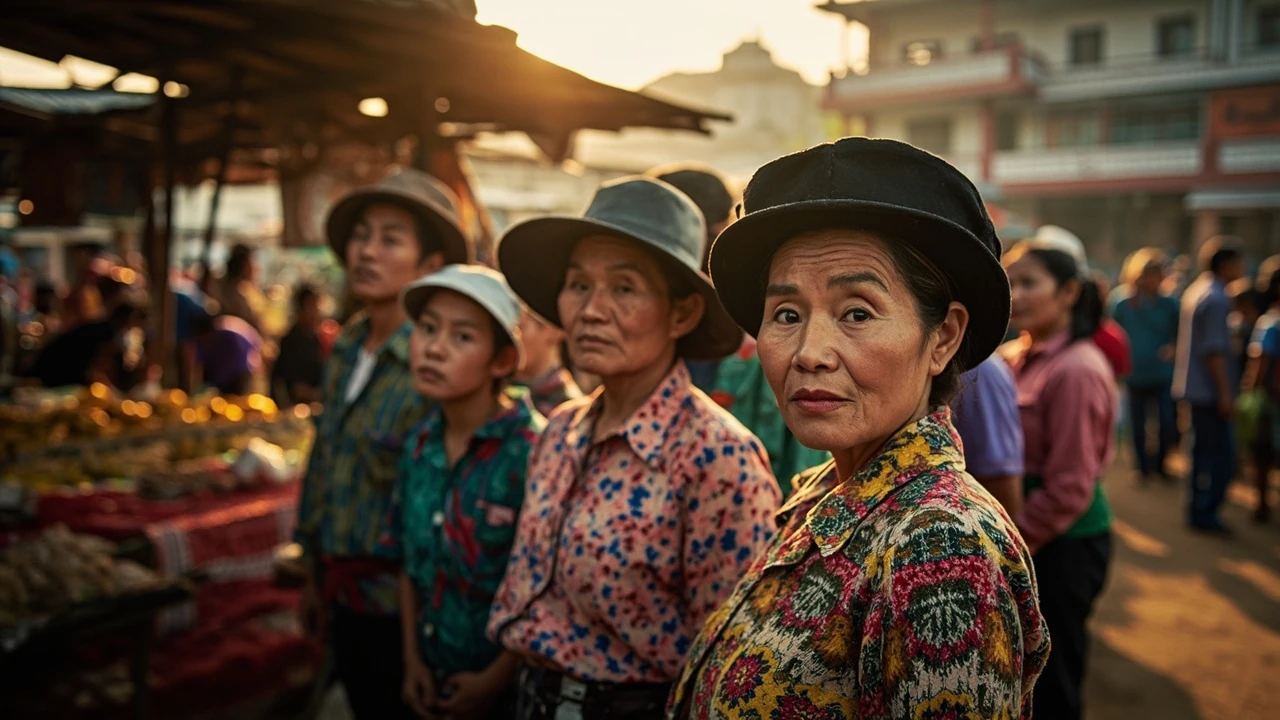
Otavalo appeals to travelers interested in handcrafted textiles and regional food. The famous market occupies a large portion of the town and brings together many stalls, making it worthwhile to arrive early enough to see the range of goods without rushing. A visit on a market day offers a different atmosphere from a quieter weekday. Textile designs vary by community and weaving tradition, so a basic awareness of local names can make browsing more meaningful.
| Highland destination | Strongest draw | Who will enjoy it | Main planning issue |
|---|---|---|---|
| Cotopaxi National Park | Volcanic scenery, rural landscapes, and outdoor touring | Travelers who value open landscapes and active days | Weather-dependent routes and significant driving time |
| Otavalo | Market culture, textiles, food, and nearby mountain scenery | Craft enthusiasts and travelers interested in local markets | Choose the visit day according to market activity |
| Cuenca | Historic center, crafts, churches, and a relaxed urban atmosphere | Culture-focused travelers and those combining cities | Plan transport carefully for onward travel |
| San Antonio de Pichincha | High-altitude foothill scenery and a quieter rural setting | Visitors seeking mountain views near Quito | Road conditions and cloud cover affect the experience |
| Cuenca surroundings | Lakes, highland landscapes, and rural destinations | Travelers with time for a regional circuit | Distances make short stops feel rushed |
Cuenca is often described as one of Ecuador’s best-preserved historic cities. Its central area is compact enough for a walking visit, with museums, religious architecture, craft traditions, and cafés that encourage a slower stay. Many itineraries continue from Cuenca toward the Cajas area or the Amazon side of the Andes, but those transfers should not be treated as quick detours.
When comparing the highlands, consider the experience rather than the number of photographs available. Cotopaxi suits open space and dramatic weather; Otavalo suits markets and textile culture; Cuenca suits urban history and a manageable city break. The best choice depends on whether the traveler wants motion, human interaction, or time to explore on foot.
- Ask whether a mountain excursion is suitable for travelers with back, knee, or heart conditions.
- Carry layers, sun protection, and a waterproof outer garment even when the forecast looks clear.
- Keep market days and regional activity schedules separate from generic opening-hour assumptions.
- Use licensed local guides for hikes and rural visits where appropriate.
- Allow buffer time between a mountain excursion and a flight or long transfer.
Amazon and cloud forest attractions: wildlife beyond the Andes
For many travelers, the most immersive aspect of tourist attractions in ecuador lies not in the Andes but in the forests east of them. The Amazon lowlands support an extraordinary range of birds, mammals, reptiles, and plants, while the cloud forests of the north create a different combination of cool, wet conditions and distinctive habitats. These are not interchangeable destinations. One is defined by lowland river systems, the other by highland forest and cloud cover.
An Amazon visit usually involves traveling to an access point, entering a lodge or ecolodge, and using boats, trails, and observation platforms to explore surrounding habitat. Popular activities include birdwatching, night walks, canoe travel, and visits with local guides. The value of a guide is especially clear when the objective is identification rather than simply seeing movement in the trees. Good guides can explain differences among species and locate activity without disturbing it.
The For additional context, BBC Travel’s Ecuador feature highlights the country’s range of landscapes, including its Amazon cities, conservation projects, cloud forests, and living cultural traditions. It is a helpful orientation for the variety of experiences available beyond a conventional city itinerary.
Lodge standards vary. Travelers should ask about room type, bathroom facilities, electricity, insect protection, included meals, transfer times, guide ratios, and what happens if heavy rain affects movement. In remote areas, flexibility matters more than a rigid checklist. A smaller lodge may offer fewer scheduled activities but more time in the forest; a larger operation may offer varied equipment and facilities but less personal attention.
Visitors in the northern cloud forests near Mindo, Tandayapa, or Mashpi should expect a different itinerary. Trails may wind through wet forest, bamboo, and high-elevation vegetation, with birdwatching and waterfall visits among the common activities. Because forest trails can become slippery, sturdy footwear matters. Planning should also include road conditions between Quito and the cloud forest, which vary with rainfall.
| Forest experience | Setting | Typical activities | Best fit |
|---|---|---|---|
| Lowland Amazon lodge | Forest, wetlands, and river systems | Boat travel, trail walks, night observation, and birding | Travelers seeking immersive wildlife and rainforest time |
| Northern cloud forest | Cool, moist highland forest | Birdwatching, guided walks, and waterfall visits | Naturalists and visitors combining Quito with nature |
| Community-based stay | Rural and forest areas near an access route | Cultural exchange, food, farming, and guided exploration | Travelers interested in community context as well as nature |
| National park excursion | A protected lowland conservation area | Wildlife viewing, boating, and interpretive walks | Visitors with limited time who need a structured day |
Health preparation deserves careful attention. Travelers should research current vaccination and mosquito-prevention guidance from appropriate public-health authorities, consult a qualified healthcare professional about destination-specific needs, and follow on-site instructions. Repellent, long sleeves, and closed shoes are useful even when daytime conditions feel warm, particularly around dusk and dawn.
- Confirm that the price includes all transfers between the city, access point, and lodge.
- Ask how the itinerary changes during heavy rain or high-water conditions.
- Choose fewer stops if the main goal is close observation rather than constant movement.
- Support local guides and lodges that explain wildlife behavior and environmental priorities.
- Keep electronics dry and follow the lodge’s guidance for charging and connectivity.
Pacific coast attractions: beaches, marine life, and coastal towns
Ecuador’s Pacific coast provides a warm-weather counterpoint to Quito and the highlands. Depending on the destination and season, travelers may choose a surf town, a quieter beach, a marine excursion, or a combination of beach time and coastal scenery. The coast is also culturally varied, with communities tied to fishing, maritime commerce, agriculture, and tourism.
Montañita has a well-developed visitor scene centered on surfing, beach life, and a busy promenade. It suits travelers who want easy access to surf schools, restaurants, and a social atmosphere. Noise levels and the volume of visitors can be higher than in a remote coastal village, so accommodation choice should reflect the desired pace.
Ayangue, Puerto Lopez, and Mompiche provide alternatives for travelers looking for a more relaxed beach experience or a base for marine activities. Puerto Lopez is particularly useful for excursions centered on the marine environment, while Mompiche has a more laid-back surf character. Conditions vary across the coast, and a beach that suits one traveler may feel crowded or remote to another.
| Coastal base | Best known for | Traveler consideration |
|---|---|---|
| Montañita | Surf, a lively beach town, and convenient services | Best for travelers who prefer an active social atmosphere |
| Ayangue | Long beach access and a smaller-town setting | Check seasonal surf and road conditions before arrival |
| Puerto Lopez | Marine excursions and a central position for coastal exploration | Plan activities with adequate weather flexibility |
| Mompiche | Surf and a quieter coastal atmosphere | Fewer immediate services than in larger beach destinations |
| Salinas and Santa Elena | Urban beach life, seafood, and access along the coastal road | More useful as part of a route than as an isolated nature destination |
Marine tours can introduce whales, dolphins, sea lions, seabirds, and underwater scenery, but experiences vary with the species observed, weather, sea conditions, and the operator’s route. No responsible operator should guarantee wildlife sightings. Travelers should prefer operators that explain the day’s plan, safety procedures, and the possibility of changing the route. They should also avoid feeding, touching, or approaching marine animals.
The dry coastal season can offer more reliable beach conditions, while the wet season brings a greener landscape and heavier rain. Humidity and traffic on the coastal highway add to travel time. A destination that looks close on a map may still require several hours by road, especially when traffic, roadworks, or rain intervene.
- Choose the coast for a defined reason: surfing, quiet beaches, marine wildlife, or a road trip.
- Confirm whether a boat excursion includes equipment, transport, meals, and an interpreter or naturalist.
- Bring reef-safe sun protection and water shoes when entering the sea.
- Allow time for the return journey to an inland airport or Quito.
- Ask locally operated providers about community rules, especially around nesting areas and marine reserves.
How to build a balanced Ecuador itinerary
The best Ecuador itinerary creates a deliberate contrast rather than a collection of unrelated stops. Many travelers combine the capital with the Galápagos because one offers history and mountains while the other offers wildlife and marine landscapes. Others combine Quito with Otavalo, Cotopaxi, or a cloud forest for a shorter mainland trip. Travelers with more time can add Cuenca, the Amazon, or the coast.
For a first visit lasting about a week, a workable structure is to spend two nights in Quito, use one day for a mainland excursion, and allocate the remaining time to the Galápagos or another major region. The exact number of nights should follow the flight schedule, not a fixed rule. Arriving late and departing early can remove the useful parts of two destination days.
Internal flight routes and overland transfers determine where the itinerary should begin and end. Some visitors use Quito as an entry point and depart from the coast. Others fly into one regional city and out of another. Multiple-city routing can reduce backtracking, but a connection adds another point of failure. Every regional flight should include enough margin for weather, baggage delays, and the possibility that a road transfer takes longer than expected.
Accommodation location matters. In Quito, staying in the historic center provides immediate access to architecture, museums, food, and walkable streets. It can also mean steep paving and urban noise. A visitor with a short stay may prefer central convenience, while someone prioritizing quiet can choose a calmer neighborhood and use taxis or transfers for evening outings.
At the Galápagos, the vessel itinerary determines where passengers sleep. At Amazon lodges, the transfer chain begins with travel from the nearest city. In the Andes and Pacific region, road conditions can make a short geographic distance consume a full day. Research each transfer rather than assuming that a destination is easy to combine.
A packing system based on layers works better than one large outfit for every region. Useful items include lightweight long sleeves, quick-drying trousers, a warm fleece, a rain shell, comfortable walking shoes, sun protection, and a small day bag. Beach travelers need swimwear and a dry bag. Amazon guests should follow the lodge’s clothing guidance. Galápagos boat travelers need footwear that tolerates wet volcanic rock and a secure way to carry electronics.
Before departure, travelers should check passport and entry requirements, park rules, vaccination guidance, travel insurance conditions, and the current status of every operator or national park. Conditions can change, especially in weather-sensitive destinations. Current information is more useful than a fixed rule of thumb. The Costa Rica Christmas travel guide illustrates another useful planning detail: local holidays and peak-period demand can affect availability even when the weather is favorable.
A final way to improve the itinerary is to decide what the trip should feel like. If it is primarily a wildlife trip, devote more time to boat days, naturalist walks, and observation. If it is a culture and food trip, emphasize Quito or Cuenca, local markets, and flexible evenings in towns. If the purpose is rest, reduce transfers and choose one coastal or highland base. This decision prevents a packed schedule from erasing the experiences that Ecuador is known for.
Frequently asked questions
What are the best tourist attractions in ecuador for a first visit?
For a first visit, Quito and the Galápagos offer the clearest contrast. Quito provides access to historic architecture, markets, museums, and nearby mountain scenery, while the Galápagos delivers exceptional wildlife and volcanic landscapes. Travelers with less time may choose one region rather than two. Cuenca and Otavalo are strong alternatives for architecture, crafts, food, and a slower pace.
How long should I spend in the Galápagos?
Several days allow time for island transfers, wildlife observation, guided walks, and a marine excursion. A brief stop can be worthwhile, but checking a long list of islands from a fast boat is less rewarding than spending more time in fewer places. Match the duration to your interest in wildlife, hiking, snorkeling, photography, or boat travel. Confirm the precise itinerary and included activities before booking.
Is Quito difficult for travelers who have never been at high altitude?
Quito’s elevation can make the first day feel physically demanding, particularly for travelers arriving directly from sea level. Rest, moderate walking, and avoiding an overly ambitious first evening are sensible approaches. Persistent or severe symptoms should not be ignored. People with heart or respiratory conditions should seek individualized medical advice before travel.
Can I visit Otavalo as a day trip from Quito?
Otavalo is a feasible day trip for many travelers, but the timing depends on traffic, road conditions, and the chosen market schedule. A private driver can add flexibility, while a group tour may be more economical. Staying overnight can provide a calmer experience and make early market browsing easier. Avoid buying return tickets for the same evening before confirming how traffic and visits may affect the schedule.
Should I choose the Amazon or a cloud forest?
Choose the Amazon for lowland rainforest, river systems, and an immersive lodge stay. Choose the northern cloud forests for cooler highland forests, birdwatching, waterfalls, and easier combinations with Quito. Both require more planning than a city visit, especially when transfers, rain, and limited connectivity affect the route.
Which Ecuador beach is best for a relaxed vacation?
Travelers prioritizing a lively surf scene may prefer Montañita, while Mompiche offers a quieter beach atmosphere. Puerto Lopez is useful for marine activities and excursions, and Ayangue provides another beach-focused option. Consider road access, services, surf conditions, and the amount of town atmosphere you want rather than selecting on image alone.
Do I need a guide for wildlife tours in Ecuador?
A knowledgeable guide is particularly useful for identifying birds, reptiles, and mammals and for understanding how tourism affects protected areas. It is also safer in unfamiliar terrain and around wildlife. Different destinations offer different levels of guiding, so check whether a naturalist accompanies the boat, walk, or night activity. Responsible operators should explain the route, conservation practices, and safety procedures.
What should I pack for several regions in Ecuador?
Pack layers, comfortable walking shoes, a rain shell, sun protection, and a small day bag. Add beach clothing for the coast, secure footwear for Galápagos landings, and clothing appropriate for lodge guidance in the Amazon. Because conditions vary by elevation and region, one heavy outfit for every destination is rarely practical.
How do I avoid spending my entire trip in transit?
Limit the number of regional bases and group nearby destinations into the same route. Build in a buffer after long transfers and avoid scheduling a flight immediately after a remote excursion. Research road and boat travel times from current local sources. Two well-chosen regions are usually more rewarding than several visits reduced to brief arrivals and departures.

Leave a Reply