
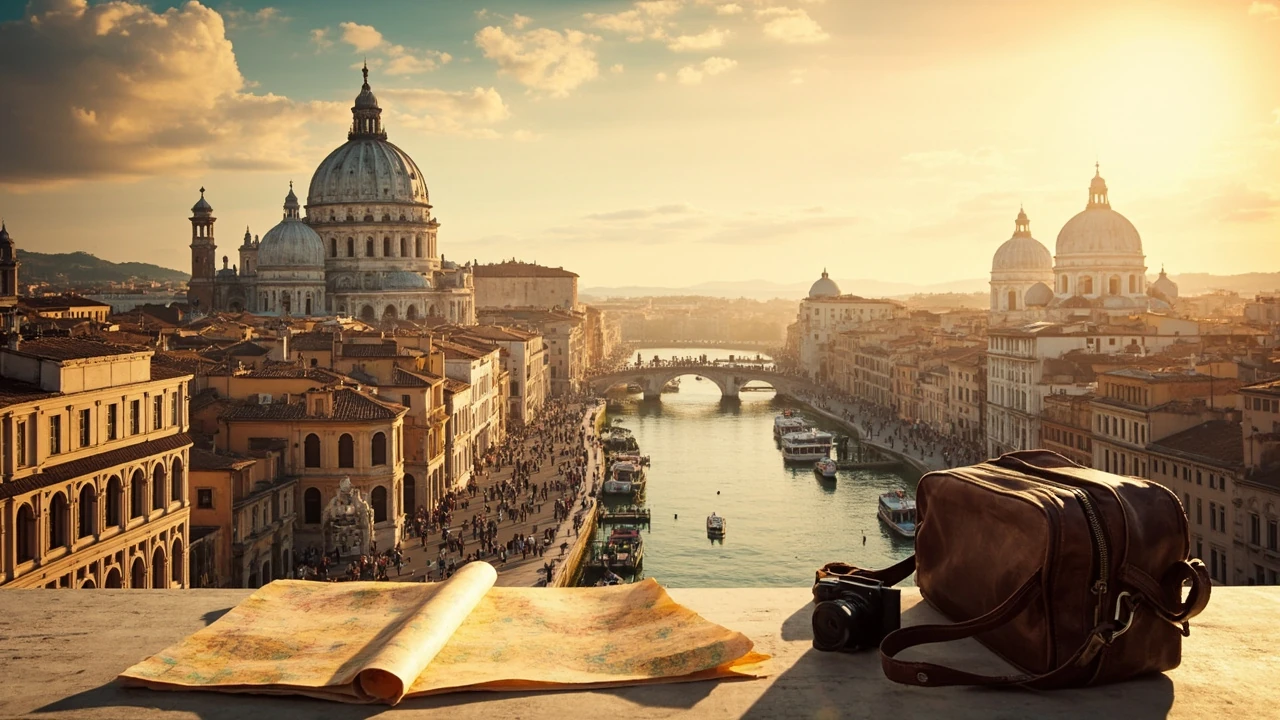
Italy attractions: how to build a balanced itinerary
Choosing the right Italy attractions can determine whether a two-week trip feels like a rushed tour of famous landmarks or a rewarding journey through distinctive cities, coastlines, islands, and mountain landscapes. Rome, Florence, and Venice deserve their familiar reputations, but the country becomes more interesting when they are treated as starting points rather than the whole plan.
Begin with one major historical city, one smaller cultural center, and one landscape that changes the pace. A trip built around those anchors leaves room for day trips, meals, neighborhood walks, museums, and the unplanned stops that make travel memorable. It also reduces the temptation to move between distant cities every other day.
For a broader geographic frame, the country’s varied geography helps explain why similar food, architecture, and traditions can look different from one region to the next. Italy stretches from Alpine valleys to volcanic islands, and its attractions reflect that distance. Rather than trying to see everything, decide which version of the country fits your interests and the amount of time available.
Which Italy attractions should you choose for your interests?
Most useful itineraries begin with a theme. Art and Renaissance architecture point toward Florence, but that is only one part of the artistic story. Food-focused travelers may prefer Bologna, Naples, Palermo, or a smaller regional center. Families often get more value from open-air ruins, coastal scenery, and interactive attractions than from a tightly scheduled museum circuit. History travelers may want to connect Roman sites, medieval centers, and later political or religious landmarks.
| Travel priority | Strong starting points | What to prioritize | Best time considerations |
|---|---|---|---|
| Ancient history | Rome, Pompeii, Naples, Agrigento | Roman ruins, archaeological sites, ancient ports, mosaics | Allow several uncrowded hours for each major site; summer heat favors early starts |
| Renaissance art | Florence, Rome, Siena, Milan | Paintings, sculpture, churches, palazzi, historic workshops | Reserve major museums and churches when admission is timed or capacity is limited |
| Romance and scenery | Venice, Verona, Lake Como, Amalfi Coast | Canals, historic squares, gardens, viewpoints, waterfront walks | Combine crowded landmarks with quieter neighborhoods or nearby towns |
| Food and local culture | Bologna, Naples, Palermo, Tuscany, Emilia-Romagna | Markets, regional dishes, specialty shops, cooking and producer visits | Build rest time into food-centered days and avoid scheduling every meal around a monument |
| Nature and outdoor travel | Dolomites, Cinque Terre, Sardinia, Sicily | Hiking, cycling, swimming, national parks, island landscapes | Check seasonal trail access and weather; longer transfers can consume a full day |
| Family travel | Rome, Venice, Verona, Florence, Sicily | Interactive museums, aquariums, gardens, castles, beaches | Shorten transfers and alternate high-energy days with parks, picnics, or slower cultural stops |
A useful rule is to assign one primary attraction to each full sightseeing day. Add nearby stops only when they share the same geographic area. Trying to see the Colosseum and a Renaissance palace in the same morning sounds efficient on paper, but entrance procedures, walking, and a hot lunch can turn the day into a checklist.
It is also important to distinguish famous attractions from satisfying places to spend time. A landmark may justify a brief visit, while a market, garden, waterfront, or hilltop town may deserve an afternoon. The best plan preserves both.
What are the best Rome attractions for a first visit?
Rome offers the clearest introduction to the layers of Italy attractions. The Colosseum and Roman Forum establish the scale of the ancient city, while the Pantheon demonstrates the lasting influence of classical architecture. Vatican Museums, the Sistine Chapel, and St. Peter’s Basilica provide a separate religious and artistic focus. Bernini’s fountains and the sculpture of Piazza Navona add a Baroque chapter to a city already dense with monuments.
Do not attempt every major site on a short first visit. A manageable approach is to devote one day to ancient Rome and another to central Rome, Vatican City, and Trastevere. The Capitoline Museums can help explain how Roman political and civic life developed, while the Baths of Caracalla and Villa Borghese offer different perspectives on leisure, landscape, and the imperial city.
For an extended visit, a knowledgeable guide can add context that a map cannot. Understanding how an aqueduct carried water, why roads and walls shaped the city’s growth, or how ancient materials were reused in later buildings makes the ruins easier to interpret. A walking tour also helps visitors notice how the ancient city sits beneath streets, churches, fountains, and apartment blocks.
Excursions from Rome deserve careful thought. Pompeii is an essential choice for travelers interested in Roman life, but the visit requires a long transfer and substantial time on site. Herculaneum is more compact and preserves a different cross-section of the buried city. Ostia Antica offers another look at the port and infrastructure that supported Rome. Choosing one usually produces a better experience than rushing through all three.
To understand the longer historical sequence behind the capital, read Italy’s history before the Roman Empire. It provides useful background for the Etruscan, Greek, and other influences that did not begin with the monuments most visitors first encounter.
Pack comfortable shoes and carry water, especially in warmer months. Historic surfaces can be uneven, and the exposed areas around major archaeological sites offer little shade. A light layer is also useful in the evening, even when daytime temperatures feel excessive.
Which Florence and Tuscany attractions deserve more than a quick stop?
Florence is often treated as a compact museum city, yet its strongest attractions work as a connected experience. The cathedral and Giotto’s Campanile occupy the center, while the Uffizi Gallery, Piazza della Signoria, and Ponte Vecchio provide art, civic history, and river views within walking distance. The Duomo complex deserves enough time to see the terrace, the nave, and the surrounding Piazza del Duomo rather than treating the exterior as a photo stop.
Add the Basilica of Santa Maria delle Grazie if you want to see Leonardo’s The Last Supper, and reserve attention for smaller collections or crafts workshops rather than attempting every gallery. The Bargello is useful for sculpture, while the Basilica of San Lorenzo and its Medici-related sites offer a different perspective on Florence’s relationship with powerful families. Crossing the Arno into the Oltrarno also changes the pace, with smaller streets, food markets, and a less monumental sense of the city.
Tuscany is often reduced to vineyard sunsets and cypress-lined roads, yet the region includes medieval towns, thermal areas, hill communities, and nature reserves. Siena rewards time for the Piazza del Campo, the Duomo, and the surrounding lanes. Lucca is easier to explore on foot because much of its historic center is enclosed by a walkable wall. Smaller places such as Volterra or Montepulciano can provide a more relaxed alternative to the most heavily visited routes.
- Florence in one day: Prioritize the Duomo area and one major museum, then add a focused walk through Piazza della Signoria, the Oltrarno, or the city’s parks.
- Two days in Florence: Divide Renaissance art, sacred architecture, and modern city life across separate periods rather than rushing through all three.
- Tuscany beyond Florence: Choose towns by location, not by popularity, and avoid scheduling more than two base changes in the same week.
- Nature focus: Consider a protected landscape or walking area, but confirm trail conditions and seasonal access before making it a fixed plan.
Choose a rental car only if your itinerary includes rural accommodation, countryside lodging, or several small towns. Florence itself is easier to explore on foot, and driving adds traffic, parking, and toll costs that can quickly consume the advantage.
What should Venice, Verona, and Milan visitors prioritize?
Venice’s main attractions are closely connected. St. Mark’s Square, St. Mark’s Basilica, the Doge’s Palace, the Rialto Bridge, and the Grand Canal form the familiar center, but the lagoon and outer districts reveal a different city. A walk through Castello or Dorsoduro can be more rewarding than repeatedly circling the busiest landmarks. The Gallerie dell’Accademia and Peggy Guggenheim Collection are sensible art choices for a longer visit.
Venice rewards travelers who understand its geography. The main islands are not the entire municipality, and the historic center contains narrow residential streets where daily life continues between visitor districts. A morning market visit, a morning at a cemetery on the edge of the lagoon, or a journey to Murano and Burano can add context without requiring another distant base.
Milan is more often associated with fashion and the Last Supper than with a large collection of monumental sights. The For additional context, historic center includes the Duomo, Galleria Vittorio Emanuele II, and several significant churches and palaces, while the Sforza Castle provides a large park complex near the city center. Brera offers a concentrated museum and neighborhood experience. For contemporary design, the city also has important modern and industrial design traditions that are easy to overlook.
Verona is compact and works well as a day trip from Venice or as a base for a northern itinerary. The Arena, Verona Cathedral, and Castelvecchio form the core historical circuit, while Piazza delle Erbe and the Adige riverside add a more everyday atmosphere. Opera performances and major events can change the pace and availability of the city, so check the specific travel date before treating them as normal sightseeing options.
| City | Essential first-visit areas | Best use of a full day | Common mistake to avoid |
|---|---|---|---|
| Venice | St. Mark’s Square, Rialto, Grand Canal, Castello, Dorsoduro | Early landmark walk, museum visit, neighborhood lunch, later lagoon or island outing | Staying on the busiest route for the entire day |
| Milan | Duomo, Galleria, Brera, Sforza Castle, Navigli | Combine sacred architecture, one focused museum, and an evening neighborhood walk | Adding too many separate museums with long transfers between them |
| Verona | Arena, cathedral complex, Castelvecchio, Piazza delle Erbe | Historic center on foot plus a river walk or nearby countryside outing | Scheduling the arena area and surrounding hills in a rushed half-day |
What are the most rewarding Naples and Sicily attractions?
Naples is intense, layered, and often misunderstood as a gateway to Pompeii. Its historic center contains royal palaces, churches, archaeological remains, narrow streets, and a relationship between monumental architecture and daily neighborhood life. The Naples National Archaeological Museum provides an important counterpoint to nearby ruins, particularly for understanding objects removed or protected from archaeological contexts. The Cappella Sansevero is another defining stop, though timed entry and visitor-management policies can affect access.
Food deserves a place in the itinerary rather than being treated simply as a break between sights. A food-centered walk through the historic center or a guided market visit can reveal how the city feeds itself. The broader Campania region also offers volcanic landscapes, Amalfi and Puglia coastlines, hill towns, and smaller archaeological sites. Because these destinations are spread across a large area, day trips work best when the return journey is not too long.
Sicily contains several distinct experiences. Palermo combines monumental churches, Arab-Norman architecture, markets, and a strong street culture. Agrigento has the Valley of the Temples, where the ruins sit across a broad rural landscape rather than inside a dense modern city. Syracuse and Noto introduce Greek and Baroque heritage, while the southeast coast supports island and coastal itineraries.
One regional feature worth considering is the way food traditions change over short distances. The BBC’s guide to experiencing Italy like a local emphasizes looking beyond the most popular cities and sampling deeply regional dishes rather than treating Italian food as a single category. That approach is particularly useful in Sicily, where a city visit can be organized around a market, a producer, and a neighborhood meal.
- Naples for first-time visitors: See the archaeological museum, the historic center, and one major church or palace before adding a long excursion.
- Sicily for archaeology: Pair Agrigento with Palermo or Syracuse rather than attempting several distant ancient sites in a short visit.
- Southern coastal routes: Build around one base, travel by car or organized transport, and leave a final day without a fixed booking.
- Food-focused itineraries: Reserve time for markets and regional meals, but keep the day from becoming a race between restaurants.
Southern Italy deserves more planning because distances can be deceptive. Coastal roads may look compact on a map but take longer over mountain passes. Confirm the return schedule before booking a distant excursion, and avoid assuming that a flight or train arrival gives you a full sightseeing day.
Are the Dolomites and other natural areas worth the travel time?
The Dolomites offer one of the clearest reasons to extend an Italy itinerary beyond its famous cities. The pale, sharply defined mountains rise behind valleys, farms, and villages, creating dramatic scenery even on days when the main peaks are hidden by cloud. Summer brings hiking, cycling, cable-car access, and long days outdoors; winter shifts the emphasis toward skiing and alpine towns. The region rewards travelers who reserve enough time to reach a trailhead or village rather than treating the mountains as a brief scenic stop.
Good bases include areas suited to the activity you want. Some villages provide immediate access to walking routes and cable cars, while others are better for driving or staying in a quiet valley. Before choosing a base, consider elevation, transport options, and the possibility of poor weather. A central hotel that looks convenient on a map may involve lengthy transfers each day.
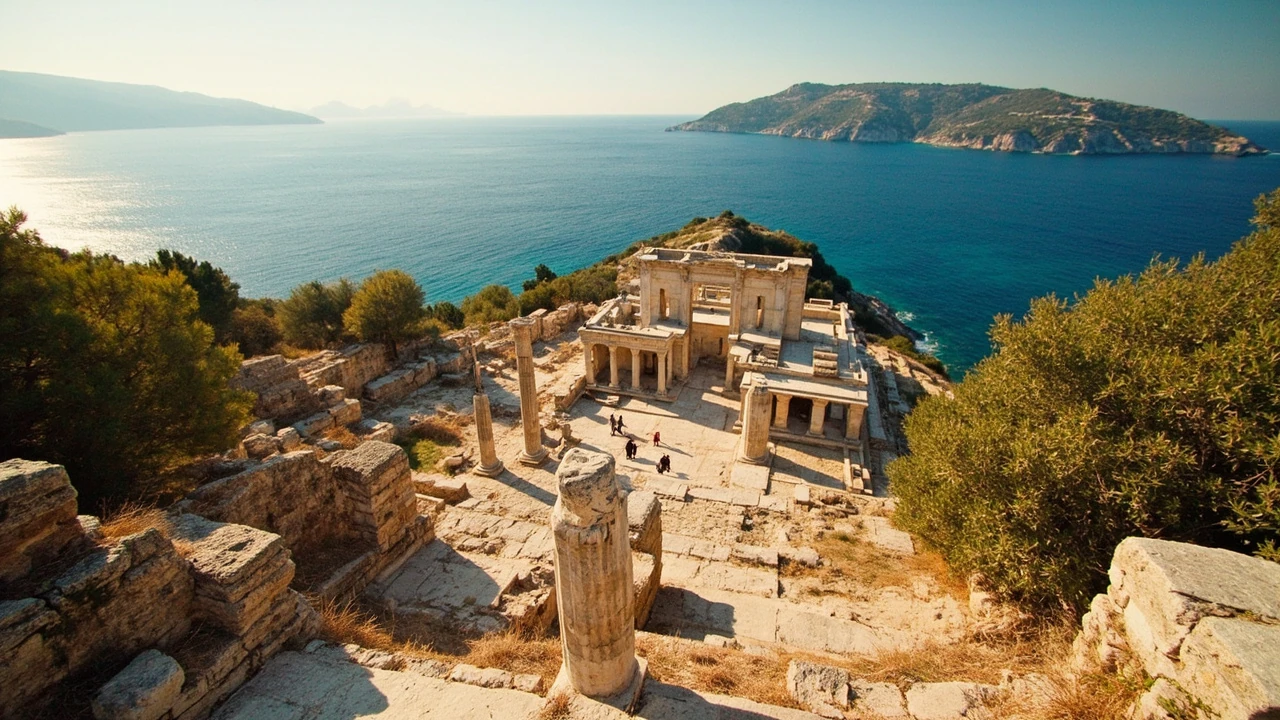
Italy also has national parks and protected landscapes beyond the Alps. Cinque Terre offers coastal paths and sea views between villages, though the routes can be exposed and busy in peak season. The Amalfi Coast provides dramatic villages and ferries, but road travel can be slow. Sardinia offers beaches, prehistoric sites, and long drives through less populated terrain. Sicily’s coast combines rocky coves, fishing towns, and archaeological landscapes.
| Landscape | Best season | Typical focus | Planning priority |
|---|---|---|---|
| Dolomites | Summer for hiking; winter for skiing | High trails, villages, cable cars, alpine views | Choose a base near the routes you want to use |
| Cinque Terre | Spring and early autumn for walking; summer for beach visits | Coastal trails, villages, sea views | Check trail status and avoid overloading a single day with distant stops |
| Amalfi Coast | Spring and early autumn | Coastal villages, ferries, beaches, viewpoints | Plan travel by water or organized transport where possible |
| Sardinia | Late spring through early autumn | Beaches, coastal drives, archaeological sites | Allow long driving distances and consider a regional base |
Weather can alter mountain plans, so avoid making every day depend on a clear summit view. A lower-elevation village, a food excursion, or a short ride can provide a worthwhile alternative. Flexible planning is especially important in the Dolomites, where exposed routes can become difficult after storms or snow even when conditions look pleasant in the valley.
How should you plan timing, transport, reservations, and local etiquette?
The best time to visit Italy attractions depends on the region, the attraction, and your tolerance for crowds. Rome and the major art museums can feel especially busy during Easter, the Christmas period, and the summer holiday season. Coastal and mountain destinations have their own seasonal patterns. A shoulder period may offer easier movement, but some small towns and seasonal attractions operate on limited schedules, so verify what is actually open for your dates.
Book the experiences that cannot easily be changed later. Popular guided tours, museums with timed admission, major archaeological areas, and specific performances may require advance arrangements. By contrast, leave some neighborhood attractions flexible so a sold-out museum day can be replaced by a walk, market, garden, or cooking activity.
- Map the arrival and departure days: Treat them as travel days rather than full sightseeing days.
- Group stops geographically: Combine nearby attractions and save long transfers for days with a clear destination.
- Reserve only the critical: Buy timed admission or tours where access is constrained, but do not fill every hour.
- Check recovery time: Leave room after long trains, flights, or driving days, especially with children or limited mobility.
- Protect local routines: Research the normal closure day for major sights and avoid assuming every attraction operates daily.
Transport is part of the itinerary rather than a detail added afterward. High-speed trains work well between many major cities, but a station-to-hotel transfer can involve stairs, taxis, or local transit. Regional trains may be slower but deposit you closer to smaller towns. Cars provide flexibility in rural areas, yet narrow historic centers, restricted traffic zones, parking, and mountain roads complicate arrival.
At religious sites, respectful behavior includes appropriate clothing, quiet voices, and following photography restrictions. In churches, cover shoulders and knees when required or requested. The BBC guide also recommends keeping hands off historical surfaces, a simple habit that protects fragile stone, plaster, paint, and carved details.
Dining customs can feel different from those in the United States. A light breakfast may be the local pattern, lunch commonly comes later than an early American lunch, and dinner may begin after 8 p.m. Cafes may charge separately for service at the table, and the service charge can be regulated by venue. Check the bill rather than assuming a particular tipping rule applies everywhere.
Finally, protect valuable belongings in crowded stations, queues, and tourist districts. Pickpocketing does not mean avoiding an attraction, but it does favor zipped bags, divided payment methods, and attention in dense crowds. Keep your itinerary realistic enough that you can notice a street, market, or meal instead of spending the entire day watching the next transfer approach.
Frequently asked questions
What are the best Italy attractions for a first trip?
For a first trip, combine Rome with one northern city such as Florence or Venice, plus a smaller destination suited to your interests. Rome offers the strongest concentration of ancient and religious landmarks; Florence emphasizes Renaissance art; Venice provides a distinctive urban setting. Add a coastal, island, or mountain region only if you have enough time to explore it beyond a single stop.
How many days are needed to see the main Italy attractions?
Most travelers benefit from at least seven to ten days, although this depends on the priorities. Rome and Florence can each occupy a full day or more, while Venice, Naples, and the major museums deserve additional time. Four or five days can still produce an engaging trip, but it should be organized around two regions rather than a list of distant cities.
What is the best month to visit Italy?
May, June, September, and October often balance milder conditions with easier sightseeing than peak midsummer, though regional demand varies. Coastal areas are especially pleasant outside the main summer break. January and February suit travelers seeking winter sports or quieter cities, but some rural accommodation and seasonal attractions may close. Check the weather and local operating calendar for the specific region you plan to visit.
Can you visit Rome and Florence in one day?
It is possible, but generally not advisable as the main plan. Fast trains make the journey manageable, yet transferring to stations, checking into accommodation, and moving between widely separated landmarks consume significant time. A day trip works only when the purpose is specific and the return is convenient. Most travelers gain more from two nights in each city.
Are Italy attractions expensive?
Attraction costs vary greatly. Major landmarks, museums, guided tours, transportation, and some historic palaces can add up, while parks, neighborhood walks, markets, and many outdoor sites cost little or nothing. Paid access does not always mean a better visit. Prioritize the places that directly match your interests and allocate enough time to use the ticket rather than rushing through a large collection.
Should I rent a car for the Italian attractions on my itinerary?
A car is useful for rural routes, coastal scenery, and small towns that are difficult to reach by public transportation. It is less useful in cities such as Rome, Florence, Venice, and Naples, where parking and restricted traffic zones can be frustrating. Most travelers can combine trains for major cities with a rental car for a shorter regional segment.
What are good Italy attractions for children?
Look for places that allow movement and participation rather than choosing only the largest museums. Rome’s parks, aquariums, and open-air ruins can work well, as can a science-focused museum, a castle, a beach, or a cable-car ride in the mountains. Keep each day to two major stops, include meal and nap breaks, and check age guidance for interactive sites before relying on a particular attraction.
Which Italy attractions are best for food lovers?
Emilia-Romagna, Naples, Palermo, Tuscany, and smaller towns around Puglia all provide strong regional food experiences. Visit markets, seek out specialist producers, and schedule meals that reflect the area rather than ordering the same familiar dishes everywhere. A cooking class or producer visit can reveal more than a quick restaurant stop, provided the booking fits the rest of the itinerary.
Do I need to reserve major attractions in advance?
Advance reservations are wise for major museums, archaeological sites, guided tours, and specific performances, particularly during busy seasons and on weekends. Requirements vary, so use the attraction’s official booking channel and confirm the date, included areas, and any rules for children. Leaving one or two days unplanned gives you flexibility if access changes or the weather disrupts outdoor plans.
Can one Italy attractions itinerary cover both cities and nature?
Yes, but it requires a deliberate base change. A common pattern combines two or three city nights with a final four to six days in the Dolomites, Tuscany, Sicily, Sardinia, or the Amalfi Coast. Travel by train to the nearest convenient gateway and then use local transport or a rental car for the landscape portion. Trying to alternate between cities and distant nature every few days usually produces more transit than sightseeing.

Leave a Reply