
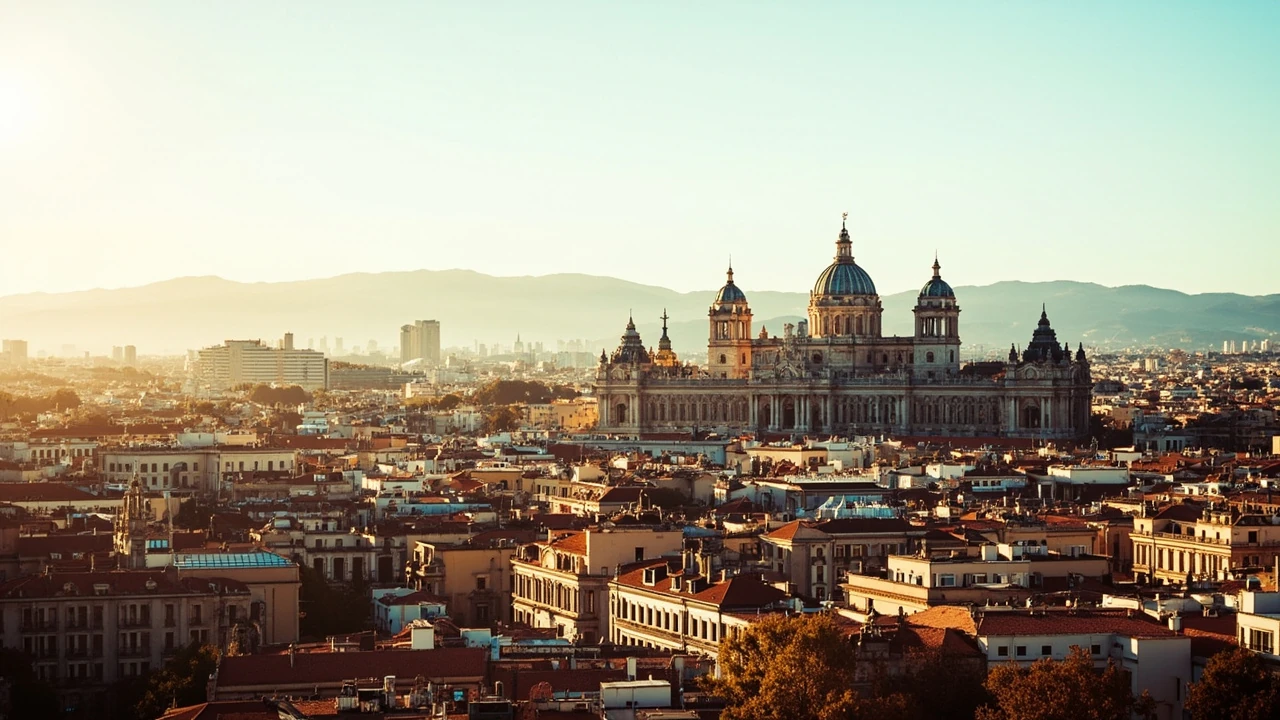
Best attractions in Spain for a first trip or a focused itinerary
Choosing the best attractions in Spain can be surprisingly difficult because the country offers far more than a single sightseeing circuit. A traveler might spend one day around Madrid’s grand plazas and museums, another in Barcelona between modernist architecture and neighborhood markets, and then cross the country for Moorish palaces in Andalusia, dramatic northern coastlines, or volcanic landscapes in the Canary Islands. The right choice depends less on a universal list of famous sights than on travel time, season, personal interests, and how much time the itinerary allows.
This guide organizes the major destinations geographically and explains what each one offers in practical terms. It includes urban landmarks, archaeological sites, architecture, beaches, museums, food districts, and day-trip options without treating every stop as a mandatory checklist. Timetables, admission rules, and access conditions can change, so confirm details with official visitor services before booking.
The best approach is to choose two or three regional bases rather than attempting to see the entire country in a short trip. Spain’s intercity distances are manageable by rail or air, but moving between distant regions still consumes valuable travel time. A week based in Madrid and Barcelona works well for a first visit focused on cities and major monuments. Two weeks allow a more varied route that adds Andalusia, Valencia, the Basque Country, or the islands. More time makes slower regional travel and less hurried days possible.
| Traveler priority | Best regions to consider | Why it fits | Planning note |
|---|---|---|---|
| Major monuments and museums | Madrid, Barcelona, Seville | Large collections, royal and historic landmarks, and important artistic sites are concentrated here. | Reserve timed-entry places and allow a full day for the most important museum in each city. |
| Architecture | Barcelona, Madrid, Seville, Córdoba | Modernisme, monumental boulevards, Baroque churches, and Islamic-era palace complexes offer distinct styles. | Many religious buildings have restricted visitor hours or rules for photography. |
| Beaches and warm weather | Andalusia, Costa Blanca, Balearic Islands, Canary Islands | These regions offer coastlines suited to swimming, walking, boating, and longer seaside stays. | Compare seasonal weather and flight or ferry requirements rather than choosing by summer reputation alone. |
| Nature and scenery | Cantabria, Asturias, Basque Country, Pyrenees, Tenerife | Green valleys, cliffs, mountain villages, volcanic terrain, and protected coastal areas provide alternatives to city sightseeing. | Allow for driving or guided excursions in rural areas where public transportation is limited. |
| Food and local culture | Basque Country, Valencia, Andalusia, Catalonia | Distinct regional cuisines, markets, festivals, and traditions make the journey as important as the landmarks. | Use market days and seasonal food periods to shape the itinerary where possible. |
Madrid and central Spain: royal, artistic, and easy to combine
Madrid works well for travelers who want one base to experience the Spanish capital’s major collections, historic neighborhoods, broad avenues, and day trips into central Spain. The city is not limited to the Royal Palace, Prado Museum, and Puerta del Sol. Its strongest visitor areas include the historic center around Plaza Mayor, the monumental axis of Calle de Alcalá and the Cibeles area, the aristocratic quarters around Salamanca, and neighborhoods such as La Latina, Chueca, and Malasaña.
The Museo del Prado is the essential choice for European painting, with works that place Spain within an international artistic history rather than presenting a collection of isolated masterpieces. The Museo Reina Sofía is particularly relevant to modern and contemporary art, while the Thyssen-Bornemisza Museum offers a more compact visit near the Paseo del Prado. Art-lovers should compare the collections before deciding which one deserves the most time. Choosing two major museums in one day can leave a memorable but tiring itinerary.
For architecture and city views, the Palacio Real, Almudena Cathedral, and Plaza de Oriente form a coherent walking area. The historic center continues through Plaza de la Villa, where Madrid’s oldest buildings sit close to the Royal Palace. Farther east, the Temple of Debod and the Madrid Río area provide an outdoor change of pace. Retiro Park is useful for a slower morning, especially when the schedule includes a long museum visit later in the day.
Madrid also works as a base for day trips. Toledo preserves a strong medieval character on the Tagus River and is usually more rewarding than treating it as a brief stop on the way to somewhere else. Segovia is known for its Roman aqueduct and historic center, while El Escorial can appeal to travelers interested in royal, religious, and architectural history. These are separate outings rather than quick detours, so choose one based on your interests.
- Best first morning in Madrid: begin with the Royal Palace and Plaza de Oriente before the day’s heat and foot traffic build.
- Best museum day: choose one major collection in the morning, have lunch nearby, and save the second half of the day for a neighborhood walk.
- Best central Spain excursion: select Toledo for layered medieval and Spanish history, Segovia for its aqueduct and old town, or El Escorial for monumental palace and monastery architecture.
- Best evening plan: walk from Plaza Mayor toward Lavapiés or the Huertas area, then return to the hotel area by metro or taxi.
Madrid’s position in the center of the country is practical, but it should not push travelers into a fast checklist. The capital’s size rewards longer stays and neighborhood-level wandering. Visitors interested in how history is presented beyond Europe may also enjoy our overview of Italy’s historical development, which provides useful comparative context for major European cultural routes.
Barcelona and Catalonia: architecture, neighborhoods, and a coastal day
Barcelona combines several kinds of attractions within a compact metropolitan area. The famous sights along Passeig de Gràcia, including Antoni Gaudí’s Casa Batlló and Casa Milà, draw heavy crowds, but the city becomes more rewarding when the itinerary continues into the Eixample, the Gothic Quarter, the harbor, and neighborhood districts beyond the main tourist corridor.
Sagrada Família is usually the most important individual visit, although it should be planned around the official entry system rather than treated as a spontaneous stop. The interior is shaped by light, stained glass, sculpture, and Gaudí’s evolving religious ideas. The exterior can be appreciated from the surrounding streets and nearby gardens, which sometimes makes a shorter first visit more practical.
Park Güell provides another distinctive architectural experience, with its mosaic terrace and curved colonnades. Access arrangements vary by area and route, so travelers should review the current entry requirements and choose the ticket or visit format that matches the time available. The Picasso Museum, housed in a medieval palace complex in El Born, offers a more focused art visit, while the Joan Miró Foundation gives a contemporary perspective close to Montjuïc.
Montjuïc is often treated as one destination, but it contains several experiences: the Poble Espanyol architectural museum, the Olympic site, the botanical gardens, and sweeping city views. Spreading the visit across a half-day or full day reduces the feeling of checklist travel. At the other end of the city, the narrow streets of the Gothic Quarter connect Plaça Nova, the Barcelona Cathedral, the Call, and the waterfront. This area is best explored on foot, though it becomes crowded around midday.
For local character, consider El Born, Gràcia, Poble-sec, or the Poblenou district rather than remaining entirely within the landmark core. These areas provide opportunities for independent cafés, neighborhood restaurants, small galleries, and evening walks. A beach day can be added at Barceloneta or Nova Icària, though travelers seeking a more relaxed seaside atmosphere may do better with a separate coastal base.
| Barcelona area | Main attractions | Best time to visit | Practical consideration |
|---|---|---|---|
| Eixample | Cas Batlló, Casa Milà, Casa Amatller, Passeig de Gràcia | Early morning or late afternoon | Street activity is intense around these landmarks, especially in peak season. |
| Sagrada Família | Basilica interior and exterior | At the start of the day | Check the current entry system and select the correct ticket or time slot. |
| El Born and Gothic Quarter | Santa Maria del Mar, Plaça Sant Jaume, museums, historic lanes | Late afternoon and evening | Historic paving can be uneven; wear supportive shoes. |
| Montjuïc | Poble Espanyol, Olympic site, gardens, viewpoints | A half-day visit | Distances are greater than they appear, so wear comfortable shoes. |
| Gràcia and local streets | Independent shops, cafés, neighborhood squares, contemporary culture | Late morning or evening | Use this area to experience Barcelona beyond the major monuments. |
Day trips from Barcelona are another way to divide the city’s overwhelming concentration of famous sites. Montserrat, with its monastery and mountain setting, suits travelers who want scenery as well as religious heritage. The beaches and coves around the Costa Brava suit those who want a coastal day, although transport and seasonal access affect the best route. Tarragona adds Roman ruins and a strong sense of place, while the wine landscapes around Penedès work well for drivers and organized tours.
Andalusia: Islamic-era palaces, white villages, and Atlantic coastlines
Andalusia is one of the most varied regions for a Spain itinerary. Córdoba, Seville, and Granada each present major historical attractions, while inland towns such as Ronda and Arcos de la Frontera offer scenic breaks. Along the Atlantic coast, Cádiz and the white villages of the province offer a different rhythm from the inland monuments.
Córdoba’s Mezquita is the essential stop. The building’s layered history is visible in the forest of columns, changing arches, later Christian additions, and the prominent mihrab. Visiting it early in the day can make the space easier to absorb. The compact old city also includes the Alcázar of the Christian Monarchs, the Jewish Quarter, the Roman bridge, and small lanes around Calle Judíos. The old town is walkable, though the uneven streets and strong sun make supportive footwear and water useful.
Seville contains a dense group of major sights. The Real Alcázar uses gardens, courtyards, tilework, and restored palace rooms to communicate its changing roles across different eras. The cathedral and Giralda tower add religious and architectural depth nearby. The Plaza de España, Santa Cruz Quarter, and the Triana neighborhood broaden the city beyond royal and cathedral monuments.
Set against the Sierra Nevada, the Alhambra in Granada offers a different kind of visit. General admission, timed entry, and selected routes may depend on the current ticketing system. The palace complex rewards slower attention, but the site also involves walking, slopes, and substantial visitor numbers. In the city, the Albaicín neighborhood offers steep streets, panoramic viewpoints, and a strong sense of Granada’s relationship with the mountains.
Further east, the Alcazaba in Almería is easier to experience than the largest Andalusian monuments and provides a useful contrast with Granada. The coast around Almería and the Costa del Sol adds marine and resort landscapes, while Nerja and Frigiliana suit travelers who prefer smaller-scale stops. Ronda is known for its dramatic gorge and historic center; it works best as an overnight or focused day visit rather than a hurried photo stop.
The BBC’s Andalusia travel guide highlights the region’s range of cultural and travel experiences, including flamenco in Seville, lesser-known cities, underground spaces, and distinctive villages. It is a useful starting point for deciding whether the area interests you center on architecture and heritage or on broader cultural experiences as well.
- For Islamic and medieval architecture: prioritize Córdoba’s Mezquita and the Alhambra.
- For royal and religious history: allow a full day for Seville’s Alcázar, cathedral, and surrounding old city.
- For scenery and slow travel: combine Granada with Nerja, Frigiliana, or a selected route through the Alpujarras.
- For Atlantic atmosphere: build a separate visit to Cádiz rather than treating it as a brief addition to Seville.
Andalusia rewards a slower pace. Distances between cities are not extreme, but summer heat, narrow streets, and popular sites make back-to-back sightseeing tiring. A regional rail pass may suit some routes, while a rental car offers more flexibility for white villages and scenic roads. Compare the convenience of each base rather than booking the largest possible number of excursions.
Valencia, Murcia, and Spain’s eastern coast
Valencia and the eastern coastline offer a more relaxed combination of architecture, food, beaches, and regional trips. Valencia’s old city includes the Silk Exchange, Cathedral, Basilica of the Virgin of the Forsaken, and the bustling Central Market. The City of Arts and Sciences, designed by Santiago Calatrava, creates a dramatic modern contrast. Its futuristic structures and surrounding pools make it particularly popular with families and travelers interested in contemporary design.
The Turia Gardens provide a green corridor through the city and connect several museums and cultural venues. The Mercado Central is one of Europe’s largest fresh-food markets and is most rewarding when visitors go early enough to see vendors preparing and selling regional produce. The neighborhood of El Carmen includes the silk-market area and atmospheric lanes, while Ruzafa is a practical base for cafés, independent shops, and modern dining.
Just outside Valencia, the beaches of Malvarrosa and Patacona offer easy access to the sea. The City of Arts and Sciences can be visited as a self-contained half-day destination, though the surrounding buildings are spread out and walking can take longer than expected on a hot day. A quieter alternative is to pair the central city with towns such as Gandia, Xàtiva, or the resort area around Cullera.
Along the Costa Blanca, Alicante provides another urban base and access to beaches including San Juan and Postigueta. The city’s old town has a compact historic center, while the cable car up to Santa Barbara Castle offers broad views. South of Alicante, the white fishing village of Jávea and the coastal scenery around Jávea and Moraira suit travelers seeking scenery without a large-city schedule.
Murcia is often added as a day trip from Alicante or Valencia, though it deserves its own overnight stay for travelers interested in regional food, a lively cathedral complex, and the older city around the Mercado Central and Calle Trapería. The Costa Cálida, with a series of sheltered lagoons, is another distinctive landscape, especially for cycling, birdwatching, and quieter coastal visits.
Barcelona and Valencia both attract large international crowds, but Valencia often feels easier to navigate at a neighborhood level. That does not make it less worthwhile. Its advantage lies in combining major design attractions with accessible outdoor spaces, a strong food culture, and beaches that can absorb time beyond a single day’s excursion.
Northern Spain: green coastlines, medieval cities, and the Pyrenees
Northern Spain changes the visual pace of a trip. The coast of Cantabria and Asturias is greener and wetter than many travelers expect, with wooded hills, beaches, fishing towns, and cities shaped by maritime trade. Inland, the Basque Country and Navarre add excellent food, distinct old towns, and access to mountains and protected landscapes.
San Sebastián is the easiest base for exploring the Basque coast. Its old town, Parte Vieja, is compact and centered on the Plaza de la Constitución, where pintxos bars and terraces create one of the region’s most distinctive food experiences. The beach and promenade offer views across La Concha bay, while Monte Igueldo provides broader city scenery and a traditional amusement area. The food is a genuine attraction, but eating a round of pintxos works best as a gradual experience rather than ordering everything at once.
Bilbao offers a striking combination of the old town and modern architecture. The Guggenheim Museum sits on the Nervión waterfront and transformed the city’s image through Frank Gehry’s titanium curves. The old town, the river, bridges, markets, and pintxos districts provide a more local counterpoint. Bilbao can be visited as a day trip from San Sebastián, although an overnight stay makes the city less rushed.
For green scenery and dramatic roads, the Basque coast toward the Urumea River, Deba, and Zumaia offers one of northern Spain’s most memorable routes. The Picos de Europa, a compact and rugged mountain range, is best approached from Asturias, Cantabria, or Castile and León. Accommodation and access vary by trail, so the level of walking and transportation should be checked before choosing a route.
Asturias has the capital Oviedo and the striking towns of Gijón and Gijón’s Cimavilla, the old fishing district, as well as the colorful village of Cudillero. The Costa Verde around Arenas de Cabrales and the Picos is the main draw for landscapes. In Santander, the Gran Casino, Magdalena peninsula, and beaches are easy to pair, while the medieval center of Comillas and its coastal setting offer a quieter visit.
Farther east, the Pyrenees extend into Aragon and Catalonia. Val d’Aran, Vielha, the Val d’Aran valley, the Aigüestortes area, and mountain villages such as Arties provide access to high scenery, although many roads close seasonally. This part of Spain suits travelers who value hiking and landscape over a dense museum schedule.
Balearic and Canary Islands: choose by pace, scenery, and season
The islands require a different decision from mainland destinations. Major sights are geographically scattered, resort areas can dominate some itineraries, and the best island depends on whether the priority is culture, beaches, nature, road trips, or a short break from a larger European itinerary.
Mallorca combines the Serra de Tramuntana mountain landscape, historic towns, beaches, and a strong food and arts scene. Palma de Mallorca has the cathedral, Almudaina fortress, Arab quarter, and a waterfront that makes sense for an urban day. The Serra de Tramuntana is the major scenery destination, with roads through mountain villages and viewpoints toward the coast. Inland towns such as Sóller and Deià are popular visitor stops, though quieter routes can be found beyond the most accessible points.
Menorca is often associated with quieter beaches, archaeological sites, and a lower-key rhythm. Mahón, Ciutadella, and the island’s rural coves reward travelers who plan several days rather than treating the island as a brief add-on. Ibiza combines beaches and clubs with historic places such as Dalt Vila, while the island’s northern and southern coasts vary considerably in character.
The Canary Islands are geographically part of Spain but function very differently from the mainland or the Balearics. Tenerife has a volcanic landscape, high mountains, historic towns, and attractions spread across a large island. The Teide National Park is the major landscape experience, while La Orotava and Puerto de la Cruz provide a useful base on the north side. Santa Cruz and the Anaga area offer another perspective on the island’s landscapes and settlements.
Lanzarote’s volcanic scenery, white towns, coastal drives, and architectural connections are central to its identity. The César Manrique-designed sites demonstrate how landscape, architecture, and public art can shape a destination experience. Fuerteventura is known for its long coastlines and strong wind or surf conditions, while Gran Canaria combines mountains, historic districts, and resort areas. La Gomera is particularly suited to walking, and La Graciosa offers a small-scale island escape.
Season matters. Northern island conditions and mountain access can differ sharply from southern beaches. A traveler seeking warm coastal conditions in winter may choose a southern island, while those prioritizing hiking and scenery often prefer Tenerife, La Gomera, or the Balearics. Confirm the current status of flights, ferries, roads, trails, and park access before committing to an island itinerary.
| Island choice | Strongest appeal | Places to prioritize | Watch for |
|---|---|---|---|
| Mallorca | Variety, food, culture, mountains, and beaches | Palma, Tramuntana, Sóller, Deià | Summer crowds and traffic around the most visited villages |
| Menorca | Coastal scenery, archaeological sites, and a quieter pace | Mahón, Ciutadella, rural coves | Limited public transportation in some rural areas |
| Tenerife | Volcanic scenery and distinct climate zones | Teide, Anaga, La Orotava, Puerto de la Cruz | Distances are large; avoid overloading one day |
| Lanzarote | Volcanic landscapes and integrated art and architecture | Arrecife, Haria, La Geria, the north | Heat and strong sun, especially in exposed areas |
| Gran Canaria | Mountain scenery, historic neighborhoods, and coastlines | Las Palmas, Tejeda, Maspalomas, Agaete | Different areas can feel like separate destinations |
How to build a practical Spain itinerary
A strong itinerary begins with transport and time, not a list of sights. Draw a rough map, add travel days, and remove any stop that would require a rushed transfer or repeated hotel changes. Spain’s major cities are well connected, but a distance that looks short on a map can still consume much of a day when it includes airport access, local transit, and a late return.
For a first visit, ten to fourteen days allows a workable balance. A common approach is to split the trip between Madrid, Barcelona, and one southern region. Visitors who prefer slower travel might use Madrid, Seville, and Granada, while beach-focused travelers could combine Barcelona with Valencia and Mallorca. The best route is the one that reflects what you want to experience rather than how many destinations can fit on a map.
- Choose the main experience. Decide whether art, architecture, beaches, food, scenery, or family activities should determine the route.
- Select two or three bases. Treat each city or island as a base for several activities, not as a single overnight stop.
- Add travel time before optimizing the schedule. Include check-in, transfer, local movement, meals, and recovery time.
- Anchor each day around one major attraction. Pair it with a nearby neighborhood, meal, viewpoint, or shorter stop rather than stacking distant landmarks.
- Reserve selectively. Buy time-sensitive entries for major sights while leaving room to wander.
- Plan a lighter alternative. Give each full day a heat, weather, or crowd fallback.
When comparing regions, consider four practical questions:
- Will the region feel crowded during the dates you can actually travel?
- Do you want a city base with short daily walks or a destination where transportation takes longer?
- Does the place offer the kind of experiences you value even when the weather changes?
- Can you recover there, or will every evening require another cross-city transfer?
Summer creates a clear regional advantage. Northern Spain, the Pyrenees, and mountain areas can offer mild conditions and fewer crowds, while Andalusia and the southern islands become very hot and busy. Winter reverses the equation. Madrid, Barcelona, Andalusia, and the Canaries provide a strong mix of urban and warm-weather activities, although some island or mountain facilities may operate seasonally. Spring and autumn are often the easiest choice for combining sightseeing and outdoor travel, but popular sites can still be busy during Easter and national holidays.
Before spending money, review official information for each essential attraction. Confirm opening days, last-entry times, accessibility details, security restrictions, and whether photographs are permitted. Large religious sites may close part of the day for worship or service. Mountain roads, trails, boat trips, and seasonal attractions can also have temporary closures. This verification is especially important when booking a tightly timed itinerary around a train or flight.
Travelers who enjoy seeing a destination through its landmarks may appreciate this guide to famous landmarks beyond Punta Cana, which offers a useful contrast between coastal resort imagery and historic places.
Frequently asked questions
What are the best attractions in Spain for a first-time visitor?
For a first visit, focus on two or three regional bases rather than a long list of cities. Madrid and Barcelona provide major museums, royal or monumental architecture, and distinctive neighborhoods. Adding Andalusia allows access to Córdoba, Seville, and Granada, where Islamic-era palaces and layered urban histories are central attractions. A first trip of seven to ten days is usually more rewarding when it includes some breathing room.
Which city in Spain has the most important attractions?
There is no single correct answer because each city offers a different concentration. Madrid has major royal, artistic, and historical sights plus convenient central access. Barcelona stands out for Gaudí architecture, modern urban design, the historic center, and the Mediterranean. Seville and Córdoba are especially rewarding for monumental and Islamic-era architecture, while Granada is closely associated with the Alhambra and mountain scenery.
Do I need more than one week in Spain?
More than one week makes a regional itinerary easier and allows slower travel. A week works for Madrid, Barcelona, and nearby excursions if you prioritize major landmarks. Ten to fourteen days gives you room for a southern region or another distinct landscape without turning every day into a transfer. Two to three weeks also makes island stays and slower travel more practical.
What is the best way to travel between Spanish cities?
High-speed trains are usually the most convenient option between many large cities on the mainland. Regional trains can be inexpensive but slower. Buses reach places with less rail access, while flights become useful for longer distances to the islands or when time is limited. Compare the journey from the city center to the final destination rather than comparing only the advertised travel time.
Which Spanish attractions are best for families?
Families can find a good mix at the Parque del Retiro in Madrid, the beach and city sights of Barcelona, the science-oriented attractions around Valencia, and the varied landscapes of the Canary Islands. Large museums may be more manageable with a focused visit and a planned break. Check each venue’s age recommendations, stroller access, and activity schedules before the trip.
What is the best season for visiting Spain?
Spring and autumn usually provide comfortable conditions for combining cities, museums, and outdoor travel. Summer is well suited to beaches and northern mountain areas but can be hot and crowded inland. Winter favors southern Spain, the Canaries, and major indoor attractions. Your preferred experiences and the flexibility of your dates matter more than one universal answer.
Are Spain’s museums and historic sites expensive?
Admission costs vary widely, and some major locations are free while others charge for specific areas, temporary exhibitions, or timed access. Some museums have free hours or reduced-price periods, but schedules can change. Review the official site for the specific attraction and date, and check whether a city pass actually matches the places you plan to visit.
Can I visit the Alhambra, Sagrada Família, and Prado Museum in one week?
Yes, but spreading them across different bases makes the trip more manageable. Madrid works naturally for the Prado, Barcelona for Sagrada Família, and Andalusia for the Alhambra. Trying to complete all three on a short city break would create unnecessary transfers. Give each major site enough time to avoid reducing the experience to a quick photo stop.
Should I visit the Spanish islands or spend the extra time on the mainland?
Choose the islands for a stronger beach, island scenery, slower coastal travel, or a distinctly different environment. Spend the extra mainland time if your priorities are major museums, historic cities, mountain scenery, and an efficient rail-based route. The right choice depends on whether you want the destination to remain a collection of focused city experiences or become a more relaxed coastal stay.
How many attractions should I plan for each day?
One major attraction plus one or two nearby experiences is usually enough in a large city. Two major sites can work when they are close and the second is compact, but three often create fatigue and rushed viewing. Leave space for meals, local movement, rest, and unexpected discoveries. A focused day usually produces a better experience than a long list completed at a run.
Leave a Reply