
Dominican Republic things to do: choose experiences that match your trip
A first visit to the Dominican Republic can feel surprisingly divided between two possibilities. One traveler spends the entire week beside the water, moving between a resort beach, a boat trip, and a relaxed evening in a beach town. Another spends several days hiking in the Cordillera Central, visiting Santo Domingo’s colonial streets, and tasting local food in the capital. Both itineraries work, but they solve very different travel needs.
The best Dominican Republic things to do depend on four questions: How much time do you have? Which airport or arrival point suits your route? Do you want restful resort days or active experiences? And are you traveling alone, as a couple, or with children? The country includes beaches, wetlands, mountain ranges, caves, historical districts, coffee-growing highlands, and lively coastal towns, so choosing a region before booking activities prevents an itinerary built around the wrong landscape.
Start with the broad geography. The northeast has the country’s best-known resort zone around Punta Cana and Bávaro. The southeast includes Bayahibe, La Romana, and access toward Saona Island. Farther west, the Samaná area combines beaches, waterfalls, whale-watching routes, and smaller towns. Santo Domingo occupies the south coast and provides the strongest concentration of history, food, and urban energy. The interior rises into the Cordillera Central, while the far northwest has dramatic coastal scenery around the Samana Peninsula.
For a useful first framework, compare the major types of experiences:
| Travel priority | Best areas to focus on | Typical activities | Who will enjoy it most |
|---|---|---|---|
| Beach time | Punta Cana, Bávaro, Báyahibe, Samaná | Swimming, snorkeling, sailing, coastal walks, sunset visits | Travelers who want a relaxed pace and easy access to the water |
| Nature and adventure | Cordillera Central, northwestern coast, southern interior | Hiking, waterfalls, caves, birdwatching, kayaking | Active travelers who prefer days with movement and varied scenery |
| Culture and history | Santo Domingo and selected inland towns | Colonial walking tour, museums, local food, historic sites | First-time visitors and travelers interested in the country’s complex past |
| Family activities | Santo Domingo, Punta Cana, Bayahibe, Samaná | Zoo and cultural visits, calm swimming, boat trips, shorter outings | Families who want a balance of structured activities and downtime |
A sensible rule is to build one anchor area rather than trying to see everything. Punta Cana works well for resort-centered trips. Santo Domingo is a better base for a first cultural visit. Samaná suits travelers who want a place that still feels connected to active tourism rather than a large resort strip. The Cordillera Central requires more planning because distances, roads, and operating conditions vary. Once the main base is chosen, add one or two day trips instead of turning every day into a transfer.
Start with the right beach for your ideal day
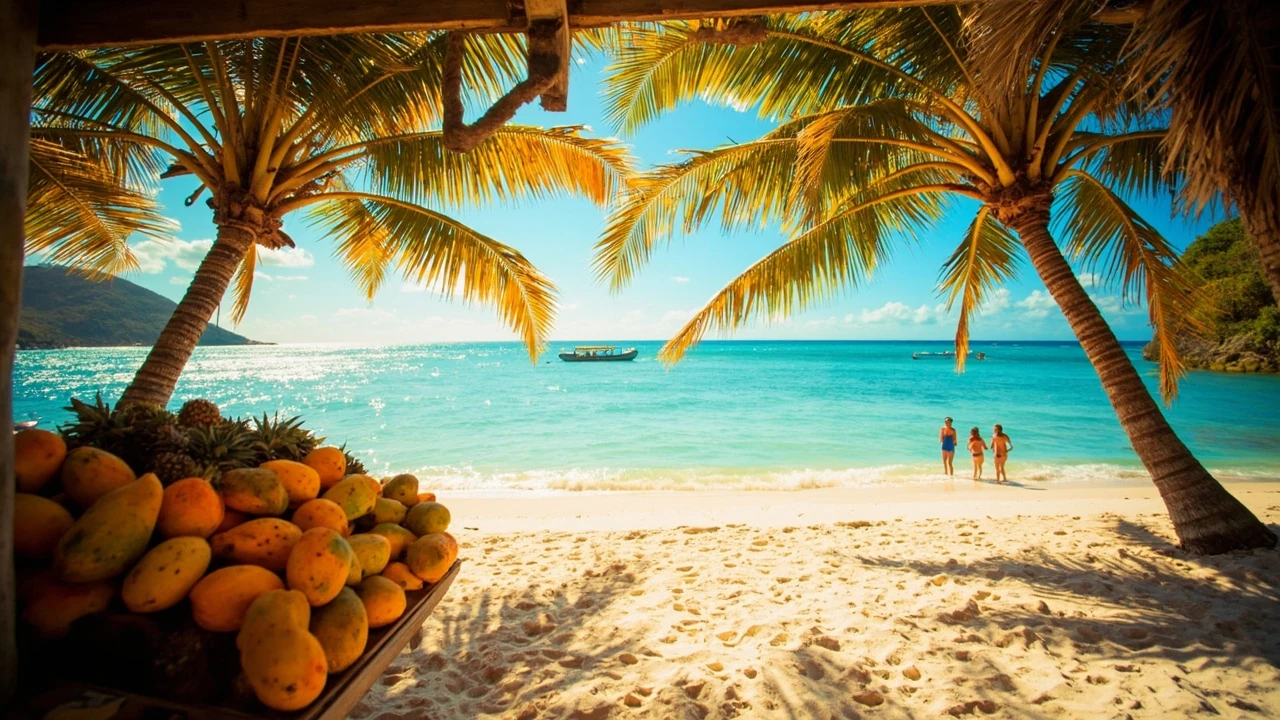
The Dominican Republic has beaches for different priorities, and choosing by appearance alone can lead to disappointment. Some stretches are organized around resorts, with loungers, restaurants, and water-sports desks close at hand. Others are quieter and better suited to walking, swimming, or spending several hours without a planned activity. The right beach depends on whether convenience, water access, scenery, or space matters most to you.
Around Punta Cana and Bávaro, large resorts occupy much of the coastline. This area suits travelers who value predictable access to the sea, family-friendly services, and the ability to return to their accommodation for a rest during the hottest part of the day. Macao Beach and Playa Bávaro offer a mix of resort areas and public-facing sections, but conditions can vary sharply from one property or access point to another. Ask specifically whether there is beach access, whether it is reserved for guests, and whether the walk to the water includes stairs or a steep slope.
Bayahibe is a useful base for travelers who want a smaller coastal town plus easy access to marine excursions. It also connects to routes toward Saona Island, where shallow water and sandbars make boat trips a major part of the experience. Weather affects these outings, and operators may change routes or cancel activities when conditions are unsuitable. Book the experience for a specific reason rather than adding every advertised excursion to the schedule.
The Samaná region offers a more varied choice. Samaná town sits beside a broad bay, with beaches on both sides of the peninsula. Playa Cosón is known for its long sweep of sand, while places such as Las Terrenas and Playa Quemada feel more connected to local communities and smaller-scale travel. El Limón Waterfall offers a physically demanding but rewarding excursion into the hills behind the coast. It is not simply a roadside stop; the trip includes travel over rough roads and a significant walk or hike, so visitors with limited mobility should consider alternatives.
The northwestern coast has some of the country’s most dramatic scenery. Playa Rincón and Playa Rincón Grande near Las Galeras are shaped by cliffs and coves rather than broad hotel strips. The Dominican Republic’s main coastal regions also differ in their own ways, as the following comparison shows.
| Coastal choice | Best for | Advantages | Considerations |
|---|---|---|---|
| Punta Cana and Bávaro | First resort-based vacation | Wide range of hotels, restaurants, and organized activities | Large resort areas can feel detached from everyday local life |
| Bayahibe | Boat trips and a relaxed small-town base | Strong marine-tourism identity and convenient excursions | Marine trips depend on weather and sea conditions |
| Samaná | Beaches combined with waterfalls and outdoor experiences | Variety across the bay, countryside, and coastal towns | Some roads and activities require more time and physical effort |
| Las Galeras | Scenery, walking, and a quieter coastal escape | Clifftop landscapes and access to less-developed beaches | Fewer immediate services than the larger resort areas |
Beach planning should also account for sun exposure, currents, and access. Tropical conditions can change quickly, and calm water in one cove does not guarantee the same conditions at the next beach. Follow local warnings, choose a lifeguarded area when available, and avoid assuming that every stretch is suitable for swimming. If your group includes young children or anyone with limited swimming experience, select an area with direct, easy access rather than one that requires crossing rocks or steep steps.
For a broader look at how coastal scenery changes across the island, compare this overview of Sri Lanka beaches. The practical lesson is similar: the best beach is not always the most photographed one. Consider what you will actually do there and how much time you want to spend changing locations each day.
Explore Santo Domingo beyond the resort itinerary
Santo Domingo offers the most concentrated introduction to Dominican urban life. The Zona Colonial is the obvious starting point, but its value lies in more than a cluster of colonial buildings. Narrow streets, independent shops, public squares, restaurants, and daily neighborhood routines make the historic center an active part of the capital rather than a detached museum district.
Begin with a walking route through the old city. Allow time to look inside the major sites, but leave room for unplanned pauses in plazas and side streets. The area works particularly well as a self-guided visit because many key streets are close together. A guided walking tour can add useful historical context and help you understand how the city developed, especially for visitors who want more than a checklist of landmarks.
The country’s political history adds a useful layer to any visit. The period known as the Second Dominican Republic was marked by regional political influence, civil conflict, foreign intervention, and frequent changes in government. That history helps explain why the country’s institutions and relationships with neighboring Haiti and the United States remain important topics. For travelers, the practical lesson is not to reduce Santo Domingo to its earliest colonial period; later history is visible in the city’s architecture, civic spaces, and continuing political significance.
Outside the historic core, the capital includes modern residential neighborhoods, large public spaces, a professional baseball stadium, and a substantial market district. The Mercado Modelo is a common stop for visitors looking for local products and prepared food, but its scale can feel intense. Go with time to browse, keep valuables secure, and be selective if you plan to eat at the counters. A more relaxed food experience may be easier to find along the Malecón or around the old city.
The Malecón is not just a waterfront road. It is a long social space for walking, running, cycling, informal exercise, conversation, and sunset viewing. Early morning often offers comfortable temperatures and a different view of the city from the one seen by cruise passengers and evening crowds. If you can, walk part of it before the heat builds.
Consider these practical ways to spend time in Santo Domingo:
- Take a focused historic walking tour: Concentrate on the Zona Colonial instead of racing between distant attractions.
- Visit a museum: Choose an institution that clarifies the country’s history, art, military legacy, or everyday life.
- Attend or watch baseball: Baseball is deeply woven into Dominican culture, although attendance and access depend on the schedule and venue.
- Eat in smaller restaurants: A neighborhood lunch can provide more insight than concentrating every meal around the busiest tourist strip.
- Use the city as a transportation hub: If your trip includes Santo Domingo plus another region, spend a full day here and transfer afterward.
Keep at least one day relatively light if you arrive late or plan to leave early. The capital rewards walking, and an overpacked first morning can make the streets feel like traffic rather than a place to explore.
Choose nature and adventure based on effort and access
The Dominican Republic is not only a beach destination. Its mountains, dry forests, caves, rivers, and coastal ecosystems support a wide range of activities, but the effort involved varies sharply. Some outings require little more than walking shoes and a day bag. Others involve rough roads, steep trails, heat, and a guide who knows the route. Decide how active you want to be before choosing an adventure.
The Cordillera Central contains the country’s highest terrain and some of its most rewarding hiking. Pico Duarte, the country’s highest summit, is reached through a multi-day or one-night organized trek that normally includes a guide, support arrangements, and acclimatization at a base camp. The route passes through pine forest and high mountain terrain, but altitude, weather, and trail conditions can affect the experience. It is not the right choice for a short resort day or for anyone uncomfortable with steep, sustained hiking.
Near Samaná, El Limón Waterfall is a popular destination with a more concentrated sense of effort. The usual trip includes a rough road journey, a substantial walk, and sometimes a horse or vehicle for part of the return depending on local conditions. It offers a strong sense of entering the interior, but travelers should ask about the current route and physical demands rather than relying on an old description of the excursion.
Other activities spread across the south and southwest. The limestone caves of southern Dominican territory contain underground rivers and chambers, and the area around San Juan combines cave visits with coffee landscapes and small-town routes. Kayaking, rafting, canyoning, and canyoneering appear on adventure menus around the south and southwest, but standards and conditions vary by operator. A short introductory outing can be a sensible way to test comfort with the activity before committing to a technical route.
Wildlife experiences require more care. Whale watching around Samaná Bay depends on the seasonal presence and behavior of whales, which cannot be guaranteed on a particular date. Operators must follow applicable rules for encounters, and travelers should choose responsible providers rather than treating wildlife sightings as a guaranteed product. Birding, mangrove excursions, and reef-focused boat trips can be rewarding even when larger marine mammals are not present.
Use this checklist when comparing an outdoor excursion:
- Check the real duration: Include transport, waiting time, meals, and the time required to return to your hotel.
- Understand the physical demand: Ask about walking distance, elevation, swimming, heat exposure, and the possibility of changing the activity because of weather.
- Confirm group size: Large groups may move more slowly and offer less individualized guidance.
- Review equipment standards: For rafting, kayaking, diving, or canyoning, ask what safety equipment is provided and who supervises it.
- Ask about alternatives: A well-run operator should explain what happens if conditions make the planned route unsuitable.
Adventure travel works best when it complements rather than replaces rest. A demanding hike followed by a long transfer and an evening excursion can make a memorable day unnecessarily exhausting. Build recovery time into the itinerary, particularly in the heat of April through September or when storms may affect outdoor plans.
Eat, listen, and spend time like a guest rather than a spectator
Food is one of the clearest ways to understand the Dominican Republic, yet resort restaurants are only the most visible part of the dining landscape. The national cuisine blends Indigenous Caribbean ingredients and cooking traditions with Spanish, African, and wider Caribbean influences. Rice, beans, meat, plantains, corn, citrus, and seafood appear in combinations that vary by household and region.
La bandera, the national dish, usually combines rice, beans, and stewed or grilled meat with plantains. It is a good introduction because it represents an everyday plate rather than an elaborate performance. Sancocho is a substantial stew that commonly includes meat and root vegetables; versions differ widely. Fresh seafood is abundant along the coast, while mangú, a mashed plantain breakfast, is especially associated with the capital and the wider Cibao region.
For visitors who want context, eat at a restaurant where the menu is focused on local cooking rather than international hotel dining. Try a lunch special if one is offered, arrive before peak mealtimes, and ask staff for recommendations without expecting every dish to be spicy. “Picante” can mean noticeably hot, and street-food portions or spice levels may differ from what a traveler is used to at home.
Music and dance belong in the same category of active experiences. Merengue and salsa may be familiar internationally, but live performance lets you hear how the rhythms change from one band and setting to another. Look for venues suited to the music you want rather than assuming every advertised “live merengue” experience has the same format. Some performances are intimate restaurant shows, while larger venues emphasize dancing and audience participation.
Local gatherings can offer a gentler introduction. Look for cultural programming, small music events, craft markets, and food-focused festivals, but verify dates and details with local organizers. Avoid planning the entire trip around an event whose schedule may change or require tickets that are difficult to obtain from abroad.
A few food and cultural habits will make the experience smoother:
- Carry small local currency for market purchases, small cafés, and transportation where cards may not be accepted.
- Ask for the full price before ordering food or drinks in informal settings.
- Use a reputable exchange provider and check the amount before completing a currency exchange.
- Follow local tipping customs as explained by your guide or host; practices vary by service.
- Try unfamiliar dishes in moderation if your stomach is sensitive, especially when combining rich foods, alcohol, and heat.
Learning a few Spanish phrases can make interactions more comfortable, but patience and clear gestures remain helpful. “Por favor,” “gracias,” “la cuenta, por favor,” and “noEntiendo” cover several practical needs. English is widely used in major tourism areas, but it becomes less predictable outside them.
Plan the trip by time, route, and budget rather than destination list
The most useful Dominican Republic things to do change with the length of your stay. A long weekend rewards focused choices, while two weeks or more allow the country’s different regions to unfold without constant travel. Before choosing excursions, draw a simple route that minimizes backtracking and leaves time for weather delays.
A first-time visitor with four to five days can combine Santo Domingo with a coastal stay. Spend the first day in the capital’s historic center, add a food or cultural outing, then transfer to a resort or small coastal hotel. This creates contrast: dense streets and history followed by slower coastal days. It also leaves the option of returning to the capital near departure if the airport schedule requires it.
With six to eight days, add Samaná or Bayahibe rather than bouncing between several distant areas. A week in the Samaná region can include a beach morning, a waterfall or countryside excursion, a town visit, and a weather-dependent marine tour. A week around Bayahibe can emphasize boat trips, snorkeling, coastal scenery, and relaxed meals. The exact balance depends on whether the group wants activity or recovery.
Two weeks allow a more regional approach. One possible sequence is Santo Domingo, the southern coast, the Samaná area, and a stay in the central highlands. Another keeps the route simpler: Santo Domingo for four nights, Samaná for five, and the northeast for the remainder. The second plan involves fewer changes but still covers a meaningful mix of city, countryside, and coast.
| Trip length | Comfortable plan | Main advantage | Tradeoff |
|---|---|---|---|
| 3–4 days | One coastal base with one day trip | Simple transfers and plenty of beach time | Little opportunity to experience the capital or another region |
| 5–7 days | Santo Domingo plus one coastal area | Good mix of history, food, and beach time | Choose between northeast and Samaná rather than visiting both |
| 8–10 days | Two coastal regions, optionally with Santo Domingo | More varied beaches and activities | Requires at least two hotel changes and reliable transfers |
| 2 weeks or more | Three or four regional bases | Room for weather, rest, and spontaneous activities | Higher transport cost and more time spent moving around |
Budget travelers can reduce costs by staying outside the largest resort enclaves, eating where meals are priced for local residents, and using shared transportation where practical. Higher-budget travelers often spend more on direct airport transfers, boutique hotels, private guides, and restaurants with imported ingredients. The largest price differences between areas are not always attractions themselves; they come from accommodation, transportation, and how much time each transfer consumes.
Travel time deserves special attention. Distances may look short on a map, but road conditions and a large resort geography can make journeys longer than expected. Check transfer times against actual pickup and drop-off locations rather than neighborhood names alone. If an excursion departs from a remote meeting point, include enough time to reach it early and return after the activity ends.
Sample itineraries for different travel styles
A good itinerary assigns each day a clear purpose. Trying to complete a landmark, a waterfall, a boat trip, a beach session, and a shopping stop in the same afternoon usually produces a day dominated by transport. The following models offer structure without pretending that every hour must be filled.
| Travel style | Day 1 | Day 2 | Day 3 | Day 4 |
|---|---|---|---|---|
| First cultural visit | Arival and relaxed colonial walk | Museum and food-focused city day | Transfer to the coast | Beach and sunset |
| Active nature trip | Arival and recovery | Waterfall or countryside excursion | Hike with a rest period afterward | Beach or weather-dependent boat trip |
| Family vacation | Resort arrival and pool time | Gentle marine excursion | Aquarium, zoo, or cultural outing | Unstructured beach day |
| Food and culture trip | Santo Domingo walking tour | Market, music, and neighborhood dining | Day trip to another historic or cultural site | Local meal and departure |
For a two-week itinerary, add several low-pressure days between longer excursions. One useful pattern alternates a planned activity with an open day. The planned day creates a memory and a reason to travel; the open day leaves room for a beach, a market, a conversation with a host, or recovery when the weather is unfavorable.
Families should consider the age and attention level of the youngest traveler before choosing excursions. Long boat rides, rough roads, and multi-hour hikes can work well for older children and teenagers but may be uncomfortable for younger children. Identify the portions of each trip that involve transport, active movement, and open time so the family can select the right balance.
Couples can use the same logic without scheduling every minute together. Some travelers prefer a shared activity followed by separate downtime; others want uninterrupted days near the water. A single anchor location with optional excursions gives more privacy than a route packed with distant stops.
Solo travelers often benefit from basing themselves where restaurants, guided tours, and local transportation are easy to access. Santo Domingo offers the broadest mix of urban experiences. Coastal towns can be comfortable for independent travelers, but confirm how you will reach restaurants, beaches, and departure points before booking a room outside the center.
Prepare for weather, safety, and responsible travel
The Dominican Republic’s tropical location creates warm conditions, but regional weather and the broader Atlantic hurricane season can affect plans. Rain often arrives in short, heavy bursts, while tropical systems can change coastal conditions and disrupt transport or outdoor excursions. Build some flexibility into the itinerary and check official travel guidance before departure.
Sun exposure deserves deliberate attention even when skies look mild. Use sunscreen, seek shade during the middle of the day, and drink water regularly. Heat and alcohol can intensify dehydration, particularly after a long hike or beach excursion. Beach footwear also matters: hot sand, coral fragments, and sharp rocks are more common hazards than the water itself in some areas.
Use normal urban and travel precautions. Keep phones and valuables out of sight in crowded areas, do not display valuables at the beach, and use reputable transportation. Agree on taxi fares or use established ride-hailing services where available. At informal rentals, photograph the vehicle and confirm insurance terms before the trip. Avoid leaving luggage unattended and be cautious with street ATMs and exchanges.
Travel insurance is especially useful for water activities, hiking, and itineraries involving boats. Check whether medical evacuation, hospitalization, activity-specific coverage, and cancellations caused by weather are included. A policy that names an activity as excluded is not adequate for that activity merely because it is advertised at the destination.
Environmental responsibility is especially relevant around reefs, mangroves, beaches, and marine wildlife. Use reef-safe sun protection where local guidance recommends it, avoid touching coral or wildlife, and follow rules concerning anchors and personal watercraft. Choose excursion operators that explain wildlife encounters and limiting behavior rather than encouraging close contact. For more specific advice on Dominican Republic activities beyond beaches and major landmarks, see Dominican Republic famous landmarks beyond Punta Cana.
A final check before each paid activity is simple: confirm the meeting point, cancellation terms, included equipment, realistic return time, and what happens if conditions change. Saving the contact information of your hotel, guide, or operator in your phone can make a delayed departure easier to manage. A written itinerary shared with someone at home is also useful in an unfamiliar area where internet or phone service may be intermittent.
Frequently asked questions
What are the best Dominican Republic things to do for a first visit?
Most first-time travelers get the clearest introduction by combining Santo Domingo with one coastal area. Spend a day exploring the historic center, local food, and the city’s waterfront, then stay in Punta Cana, Bayahibe, or Samaná for beach time and one signature excursion. Trying to visit every region usually creates too much time in transit. If rest is your main goal, remain near one beach. If culture is equally important, keep the capital on the itinerary.
Is Santo Domingo worth visiting, or should I stay at a beach resort?
Santo Domingo is worth visiting if you want to understand the country beyond its resort image. The Zona Colonial, civic spaces, food, markets, and everyday street life provide a different experience from a beach stay. You do not need a long trip to visit: two well-planned days can cover the main historic area and local food. Beach-focused travelers may prefer one short city stop followed by a longer resort stay.
Which Dominican Republic beach is best for families with children?
The best family beaches usually have easy access, calm conditions when conditions are appropriate, shade, and nearby services. Areas around Bávaro, Punta Cana, Bayahibe, and parts of Samaná offer different combinations of these features. Avoid choosing solely from photographs; ask about access points, stairs, currents, lifeguards, and whether the beach is tied to a specific resort. A planned marine excursion can be more memorable than moving between different beaches every day.
Can I visit multiple regions during a one-week trip?
You can visit the capital and one coastal region, but three or more bases can make a week feel rushed. Transfers consume valuable hours, and weather-related changes are easier to absorb when the itinerary has some slack. For seven days, a strong choice is four or five days at one beach area with a side trip to Santo Domingo, or three nights in the capital followed by four nights on the coast.
What is the best time for whale watching in Samaná?
Whale sightings are tied to the seasonal behavior and presence of whales in the region, not a guaranteed travel promise. The breeding period commonly associated with the area extends into much of the winter season, but operators and wildlife authorities may set specific rules for encounters. Check current local guidance, choose a responsible operator, and be prepared for a day without a sighting even if the trip itself takes place.
Do I need a guided tour for the mountains and waterfalls?
For Pico Duarte and routes into remote mountain areas, using an authorized local guide or operator is the sensible choice because terrain, weather, and logistics require local knowledge. Other waterfall and cave trips may also be organized through guides, which can improve safety and help support local communities. Verify the route, group size, transport method, equipment, and expected walking effort before booking.
Is the Dominican Republic suitable for a solo trip?
It can be a good solo destination, especially in Santo Domingo, Bayahibe, and established coastal towns where restaurants, tours, and transportation are easier to arrange. Choose accommodation with clear arrival information, confirm how you will get to excursion meeting points, and keep a flexible plan for the first day. A guided activity or group tour can make the first few days easier without requiring the entire trip to be group-based.
What should I pack for weather and outdoor activities?
Pack light clothing for heat, a light layer for cool evenings or strong air conditioning, reliable sun protection, and comfortable shoes for walking. Hiking trips need more specialized footwear and possibly equipment, but many operators provide required gear. Bring a dry bag for boat trips, waterproof protection for the rainy season, and insect repellent for outdoor evenings. Pack lighter than you expect to need and leave room for purchases.
Can I plan Dominican Republic things to do without a rental car?
Yes, and it is often the easiest approach for visitors staying in tourist areas or larger towns. Excursions, organized transfers, taxis, and local shuttles can cover many major activities. A rental car offers more independence but adds traffic, parking, road, and insurance considerations. If you rent, verify whether the accommodation includes secure parking and whether the insurance coverage applies to the roads and regions you plan to visit.
How should I choose a tour operator for a boat or adventure excursion?
Look for clear safety procedures, qualified guides, suitable equipment, an explanation of weather cancellations, and realistic group sizes. Ask what happens if the route changes and whether photos, meals, or gratuities are included. Reviews can reveal recurring issues, but they should not replace checking the operator’s own procedures. The best booking is not necessarily the cheapest one; it is the operator whose limits and safety process are easy to verify.

Leave a Reply