
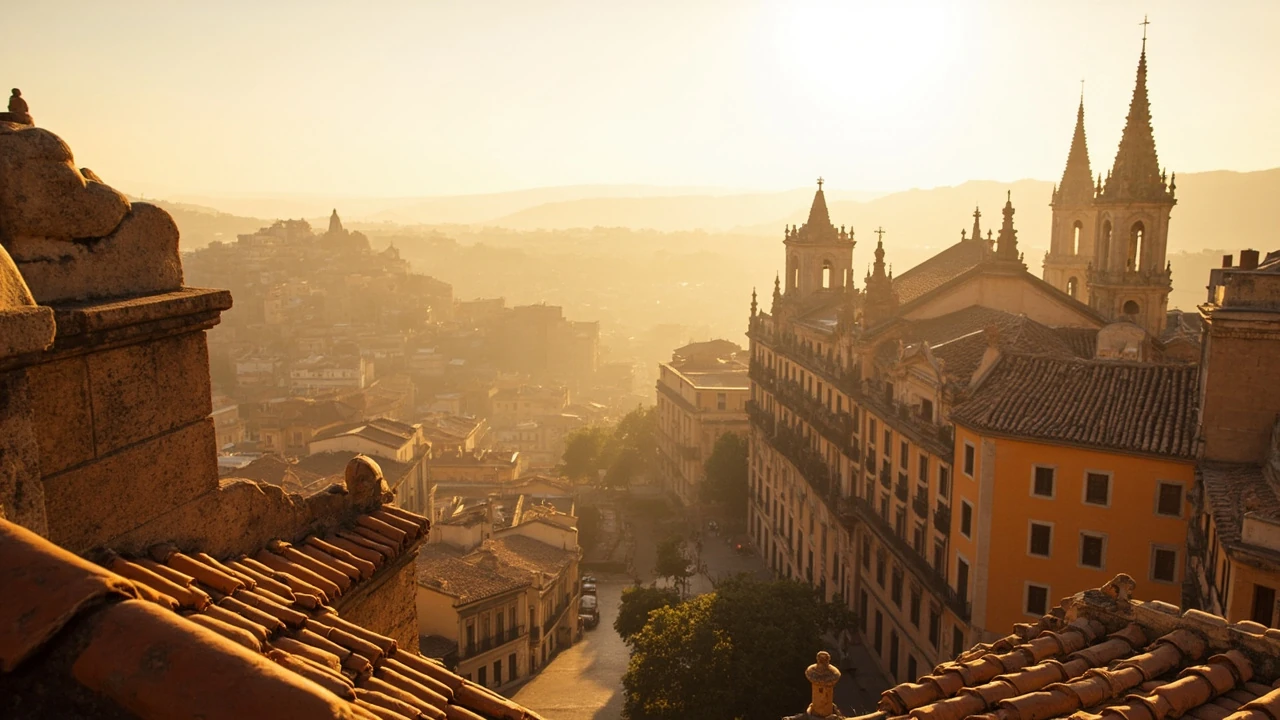
Famous landmarks in Spain: choosing the sights that deserve your trip time
A traveler with three days in Spain cannot see every celebrated palace, cathedral, park, and historic district in the country, and trying to do so usually produces a day of queues, taxi rides, and blurred photographs. A better approach starts by choosing two or three cities, identifying the landmarks that matter most to you, and grouping nearby stops into manageable walking routes. The best famous landmarks in Spain are not simply the ones with the longest name lists; they are the places whose architecture, history, setting, or atmosphere match your interests and the time you have.
That choice matters because Spain rewards travelers who plan around a few good experiences. A morning in Madrid can combine a royal palace, a major art museum, and a walk through a compact historic center. In Barcelona, modern Catalan architecture can be explored alongside markets, beaches, and Gothic quarters. Seville and Granada require more attention to heat, transport, and the time needed for major monuments. Knowing what each place contains helps you avoid building an itinerary around a famous sight without considering its location, crowd patterns, or visitor requirements.
This guide compares the country’s most recognizable landmarks by city, explains how to build a realistic route, and identifies practical details that deserve attention before departure. It focuses on what travelers can make informed decisions about without depending on changing ticket prices, temporary opening hours, or fast-moving online information.
Start with the landmark experience, not a checklist
Begin by deciding what kind of Spain you want to understand. Art and royal history point toward Madrid. Architecture and contemporary design suggest Barcelona. Islamic, Christian, and Mediterranean influences are especially visible in Córdoba and Seville. Moorish-influenced palace complexes and mountain scenery draw many travelers to Granada. Food, city neighborhoods, and the Atlantic coast may lead elsewhere entirely.
This approach prevents the most common itinerary mistake: treating every attraction as equally important. A person who wants to understand Spanish art can leave more time for the Prado Museum, whereas a first visit centered on Gaudí’s work may prioritize several Barcelona buildings rather than adding Madrid on a short trip. A train journey between cities can be rewarding, but transfer time, luggage handling, and check-in requirements still count against the available schedule.
A quick comparison of the country’s major sights
The following table offers a practical starting point. It focuses on what each landmark offers, the part of the city in which it sits, and the kind of visit it suits best.
| Landmark | City | Best for | Planning consideration |
|---|---|---|---|
| Palacio Real de Madrid | Madrid | Royal history, state rooms, central Madrid | Allow a substantial visit and combine it with nearby historic streets |
| Museo del Prado | Madrid | European art and a strong indoor alternative | Focus on a few collection areas rather than attempting the entire museum |
| Sagrada Família | Barcelona | Gaudí, distinctive architecture, religious design | Reserve the appropriate entry option and account for security and access arrangements |
| Park Güell | Barcelona | Landscape design, mosaics, city views | Expect walking and slopes; the monumental zone and general park are different experiences |
| Real Alcázar | Seville | Palace architecture, gardens, Islamic and Christian layers | Pair it with Seville’s cathedral and central streets |
| Alhambra | Granada | Palace history, ornament, gardens, mountain setting | Entry arrangements are constrained, so plan around the confirmed time on your ticket |
| Mezquita-Catedral | Córdoba | Religious architecture and the city’s layered history | Visit earlier in the day when possible and allow time for the surrounding old city |
| Cathedral of Santiago de Compostela | Santiago de Compostela | Pilgrimage heritage, Romanesque architecture | Combine the cathedral with the compact center and consider the wider pilgrimage context |
How to plan a landmark-focused route across Spain
A workable route gives each destination a clear purpose. Dividing the country into compact clusters is usually more effective than collecting city names. Madrid and Toledo work well as a paired trip because Toledo can be reached from the capital for a focused day visit. Barcelona can be combined with nearby coastal or Catalan destinations, though each additional stop increases travel time. Seville and Granada form a logical southern pairing, while Córdoba can be visited on its own or added when the schedule allows.
For travelers choosing among the famous landmarks in Spain, the number of days is less informative than the number of full mornings and evenings available. Arrival and departure days rarely provide enough time for a major site. Many travelers gain more from two cities and three substantial days than from four cities and a chain of short stops.
Use the following sequence when assigning time:
- Choose the anchor experience. Select one landmark that justifies the trip, such as the Alhambra, the Prado, or the Sagrada Família.
- Add two or three nearby supports. These should complement rather than duplicate the main attraction, such as a neighborhood, museum, garden, market, or regional food experience.
- Reserve movement time honestly. Include station transfers, airport travel, waiting periods, navigation within the city, and a margin for delays.
- Protect one flexible block. Leave room for a repeat, weather change, unexpected closure, or a place that proves more engaging than expected.
- Place demanding sights when energy is highest. Long museum visits, hilltop complexes, and sites with extensive walking are easier to enjoy before fatigue sets in.
For broader inspiration on how a destination’s appeal changes by place and season, the site’s guide to the best time to visit Hong Kong shows how location-specific timing can shape a broader travel plan.
Match your pace to the size of each city
| Trip style | Good base | Landmark strategy | Time to reserve |
|---|---|---|---|
| First major city break | Madrid or Barcelona | Choose two signature sights and one neighborhood rather than compiling a long checklist | Three to five days |
| History-centered route | Madrid, Toledo, and Córdoba | Move in a sequence that reduces backtracking and include enough time in Toledo | Five to seven days |
| Southern architecture trip | Seville and Granada | Give each city a full day and use train travel for the transfer | Four to six days |
| Scenic sampler | Barcelona plus selected coastal or rural destinations | Use one city as a base and limit the number of long-distance excursions | Five to eight days |
| Walking pilgrimage | Santiago de Compostela | Build the route around arrival method, daily mileage, and cathedral visits | Depends on the chosen walking stage |
This table is a planning framework rather than a fixed prescription. A direct train may make two bases possible, while a flight with inconvenient arrival times can make one base more sensible. The best route is the one that leaves you present at each destination rather than permanently watching departure boards.
Madrid landmarks for art, monarchy, and walkable history
Madrid concentrates an unusual range of experiences within a relatively understandable center. The Palacio Real de Madrid, the Museo del Prado, Plaza Mayor, Puerta del Sol, and the surrounding historic streets can be combined without moving to another city. Madrid also provides access to parks, viewpoints, and day-trip destinations that add variety.
The Royal Palace is a logical starting point for visitors interested in monarchy and state architecture. Its scale makes it more than a quick photo stop, and the surrounding area contains streets that reward walking without the need for another attraction. The cathedral, Almudena Cathedral, nearby museums, and the Royal Palace can be combined geographically, although each deserves more time than a hurried stop allows.
The Prado should be approached as a collection rather than a single landmark to “finish.” European art is extensive, so choosing a smaller set of galleries or works produces a better visit than rushing from room to room. The museum can also serve as a useful indoor option when Madrid is hot or when outdoor plans are interrupted.
Other central experiences include:
- Retiro Park: a place for a slower walk, outdoor time, and a change of scale after dense museums and monumental streets.
- Temple of Debod: an Egyptian-style funerary temple and one of Madrid’s recognizable sunset viewpoints.
- Palacio de Velázquez and the Museo del Prado: a complementary pairing for visitors interested in architecture and exhibition spaces.
- Churros with Chocolate: a simple Madrid ritual that adds local texture without requiring another museum day.
If you visit Madrid on a short trip, decide whether the day should primarily explain royal history, explore major art, or experience the city at street level. Trying to make one day satisfy all three often produces an exhausting blur. Two full days make a comfortable introduction; three allow Toledo or another nearby excursion.
Those who enjoy understanding how monuments reflect a country’s long history may also appreciate Italy’s history before and beyond the Roman Empire. The comparison is useful because both countries combine visible imperial layers with regional identities that cannot be reduced to a single national narrative.
Barcelona landmarks for Gaudí, modernism, and Mediterranean streets
Barcelona’s best-known sights are distributed across several kinds of urban space. The Sagrada Família and Passeig de Gràcia anchor the modern architecture itinerary. The Gothic Quarter offers dense lanes, medieval structures, and major civic buildings. Park Güell extends the experience into a landscaped hillside. The waterfront, markets, and neighborhood food add a different side of the city.
Do not treat every Gaudí-related stop as interchangeable. The Sagrada Família is a major interior visit with entry controls, while Casa Batllo and other Passeig de Gràcia buildings require separate tickets or access arrangements. Park Güell includes both a monumental zone and broader areas of the park, each serving a different purpose. Knowing what you want to experience lets you avoid buying the wrong visit or walking farther than necessary.
A sensible one-day architecture route could begin at the Sagrada Família, continue to Passeig de Gràcia, and end with a neighborhood meal. Another day might pair the Gothic Quarter with the waterfront and a market. Park Güell works best with a dedicated block of time because the terrain, stairs, and distances create more effort than a quick city-center stop.
Useful Barcelona planning habits include:
- Reserve major entries: timed access and identity or ticket requirements can affect which day works best.
- Use the metro and walking: the city center is large, and crossing it repeatedly on foot can consume more energy than expected.
- Separate architecture from the waterfront: combining a full Gaudí day with an evening beach visit is possible, but the schedule becomes demanding.
- Look beyond the famous façades: interior courtyards, tiled shopfronts, markets, and side streets often reveal the character of Barcelona more clearly.
Four days is a practical minimum for seeing the major landmarks while leaving time for food, street life, and a less hurried day. Five days work well for travelers adding Montserrat, a beach, or a nearby Catalan destination.
Seville, Granada, and Córdoba: the southern landmark circuit
The wider history also shapes the modern landmark landscape. Spain contains a substantial record of buildings that have been destroyed or only partly preserved. A For additional context, historical inventory of lost Spanish monuments helps place the surviving landmarks within a much longer story of change rather than treating them as untouched relics from a single era.
Southern Spain concentrates monumental sites, hot weather, and historic centers that are easy to underestimate on a map. Seville combines the Real Alcázar, Seville Cathedral, Plaza de España, and the old quarter. Granada’s defining experience is the Alhambra, with additional value in the Albaicín neighborhood. Córdoba centers on the Mezquita-Catedral and a historic city rich in layered architecture.
Allow each place enough time to move beyond the principal façade. In Seville, the Alcázar and cathedral are close enough to combine, but the Alcázar itself rewards unhurried exploration of its courtyards, rooms, and gardens. Plaza de España can add a broad outdoor walk, while the Triana neighborhood provides a different riverside setting and food culture. A separate day may be better than forcing these into one route.
Granada requires more precise timing around the Alhambra. Confirmed entry times and the site’s internal routing mean a visitor should build the surrounding day around that reservation rather than treating the complex as a spontaneous stop. The Generalife gardens, the palace complex, and nearby viewpoints form a larger experience. If time remains, explore the Albaicín’s steep lanes and views toward the Sierra Nevada, preferably when the afternoon heat is less intense.
Córdoba offers the most focused landmark circuit. The Mezquita-Catedral sits within an old city that includes the Alcázar de los Reyes Cristianos, Roman remains, narrow streets, and small squares. A full day can cover the central sights, but a second day allows time for the surrounding neighborhoods and a slower understanding of the city.
| City | Essential landmark focus | Best supporting experience | Common planning mistake |
|---|---|---|---|
| Seville | Real Alcázar and cathedral | Plaza de España, old quarter, or Triana | Underestimating the time needed inside the Alcázar |
| Granada | Alhambra and Generalife | Albaicín and panoramic city viewpoints | Arriving without a confirmed Alhambra entry plan |
| Córdoba | Mezquita-Catedral | Alcázar, Roman remains, Jewish Quarter streets | Leaving after the mosque without exploring the wider old city |
How far ahead should travelers plan?
Advance planning is especially useful in southern Spain because visitor demand and timed entries can shape the rest of the day. Do not assume that a popular complex will admit you on the day you want to visit. Check the attraction’s official website for current entry rules, availability, identity requirements, and restrictions, then build the surrounding itinerary around the result.
Peak travel periods and major cultural events can also affect accommodation and transport. If your schedule depends on a specific monument, book the visit before committing to a route that has little flexibility. If your priority is the city rather than one interior, build in more breathing room and treat the reservation as one element of a flexible plan.
Beyond the major cities: Toledo, Santiago de Compostela, San Sebastián, and Valencia
Spain’s landmark circuit extends well beyond the cities most often placed on a first itinerary. Toledo is the strongest choice for a day trip from Madrid because its historic center preserves churches, former palaces, city walls, and medieval streets on a compact scale. The climb toward the city provides dramatic views, although the slopes and cobbled surfaces make footwear and mobility important considerations.
Santiago de Compostela is closely connected with the Camino de Santiago. Its cathedral is the central landmark, but the old city, porticoes, squares, stone streets, and pilgrimage routes help explain why the destination matters. Travelers arriving on foot experience the approach differently from those arriving by train or plane. The UNESCO-listed old town and the broader pilgrimage destination are related, yet they are not identical experiences.
San Sebastián offers a different combination of architecture, food, and coastal scenery. The old town contains the striking Cathedral of the Immaculate Conception, while the Monte Igueldo area provides broad views over the bay. The city is useful for travelers who prefer a compact urban destination with outdoor access. Its famous culinary culture also deserves time beyond a restaurant stop.
Valencia combines a manageable historic center with modern architecture and the Mediterranean. The City of Arts and Sciences, the Silk Exchange, the cathedral, the old market, and Turia Gardens offer a varied circuit. At the other end of the country, Mallorca, the Basque Country, Andalusian villages, and the Pyrenees provide additional alternatives for travelers who want scenery or regional character rather than a sequence of large-city museums.
For more ideas on choosing destinations that reward attention to place rather than reputation alone, see how Sri Lanka beaches vary between the coast. Although the destination is different, the underlying decision is similar: a specific location and its local conditions matter more than a broad regional label.
Landmarks worth using as alternatives to crowded marquee sites
- Segovia’s Roman aqueduct: a striking piece of ancient infrastructure set against a compact old city.
- Salzburg’s historic center: an Alpine city whose skyline, fortress, and churches reward travelers who look beyond a single monumental sight.
- Palma de Mallorca: a mix of monumental architecture, narrow streets, and Mediterranean waterfront settings.
- Mérida: Roman theater, amphitheater, and other remains that provide a more archaeological focus than a conventional city-break itinerary.
- San Sebastián’s palaces and bay: a destination that works well for travelers who prefer scenery, food, and a walkable city to interior-heavy museum days.
These alternatives are not substitutes for the most recognized sights; they are ways to build a more varied trip. A traveler planning four days in southern Spain might exchange one additional city for a smaller destination if that choice matches personal interests better.
When to visit, how to handle crowds, and what to pack
Spain’s climate varies considerably by region and season. The south and interior can be hot during the middle of the day, particularly in summer. Northern coastal cities can be cooler and wetter, while Madrid and Granada may experience sharp differences between sunny afternoons and cool evenings. The best time to visit depends on the priorities of the trip: cool walking conditions, outdoor markets, beach weather, fewer crowds, or a specific festival or cultural event.
Spring and autumn often offer a comfortable balance across much of the country, although spring can bring crowded holiday periods and autumn can deliver unexpectedly warm days. Winter favors cities with rich indoor programs, including Madrid’s museums and the covered areas of Seville’s Alcázar. Coastal travelers should account for winter conditions and shorter daylight. Summer suits the coast and high mountain areas but requires greater attention to heat at major monuments.
Use these practical rules:
- Start outdoors early: begin with a street walk, garden, or monumental exterior before the strongest heat arrives.
- Shift heavy interiors to midday: museums, churches, and cool stone courtyards can provide useful relief during hot hours.
- Carry water and sun protection: these are basic requirements for plazas, exposed palace grounds, and hillside sites.
- Wear supportive footwear: old cities can involve long days on stone, cobbles, stairs, and uneven paving.
- Check the weather again locally: a forecast for the country is less useful than one for the exact city and elevation.
Crowd management is less about avoiding every busy place and more about choosing when and how to enter. Early visits often feel calmer, while a mid-afternoon slot may suit travelers who want to combine a monument with the city’s daytime energy. Lines for security, tickets, or entry controls can be separate from the main visit and should not be confused with the time required inside.
At major landmarks, look for the official visitor channel before departure and confirm current access arrangements. Websites, mobile guides, and travel blogs can help with orientation, but the attraction’s current information should determine ticket types, opening days, entry times, and accessibility conditions. Access rules can vary by area within a large complex, particularly at sites that combine a monument, museum, and landscaped grounds.
A landmark visit checklist for a smoother trip
A short checklist can prevent the most expensive errors: missed reservations, poor route sequencing, and insufficient time inside a major site. Before leaving for each city, confirm the following.
- The exact site: distinguish similarly named palaces, parks, cathedrals, museums, and towns.
- The correct ticket: verify what the entry includes and whether a timed slot is required.
- Current restrictions: read official guidance on bags, photography, access, and security procedures.
- Transit and walking time: calculate the journey from your hotel, station, or airport.
- Site duration: distinguish a quick exterior visit from a full interior experience.
- Weather and terrain: consider heat, rain, stairs, slopes, and shade.
- Opening-day coverage: identify a reliable alternative if the main attraction becomes unavailable.
- Backup meals and transport: save offline maps and transport details before leaving your accommodation.
Responsible travel around celebrated monuments
Famous sites attract large numbers of visitors, and responsible travel helps preserve both the structures and the character of the places around them. Stay on marked paths, avoid climbing on decorative features, and follow photography rules. In religious buildings, lower your voice, dress appropriately where requested, and avoid using flash if it is prohibited.
Reduce pressure on fragile sites by arriving at the confirmed time, moving through the space without lingering in narrow passages, and following staff instructions. Respect residential neighborhoods. Historic centers are living communities, not outdoor museum sets, and shortcuts across private entrances or terraces can damage properties while disrupting residents.
Money spent locally also supports the wider visitor economy. Choose locally owned cafés, markets, guides, and shops when practical, but do not select a business because of a review score alone. Look for clear pricing, respectful service, and products connected to the place. The same principle applies to cultural events: learn what is appropriate before photographing performances, religious ceremonies, or people in traditional dress.
Finally, distinguish a visit from a photo collection. Spend time understanding the site’s function, construction, and history rather than rushing through spaces to collect images. That approach often creates the strongest memories of the famous landmarks in Spain because you leave with a clearer sense of where each building sits within the country’s history.
Frequently asked questions
Which famous landmarks in Spain should a first-time visitor prioritize?
Most first-time travelers choose two or three priorities based on their interests. The Prado and Royal Palace suit history and art, the Sagrada Família and Park Güell suit architecture, the Alcázar and Alhambra suit palace and garden history, and the Mezquita-Catedral offers a distinctive architectural focus in Córdoba. Choose fewer major experiences and add nearby neighborhoods or food experiences rather than trying to cross the entire country.
How many days are needed to visit the major landmarks in Spain?
Four days can cover two cities at a comfortable pace, while seven days allows a broader route through three cities or a city-and-region pairing. One week does not provide enough time to see everything, and moving every night reduces the time available inside major attractions. Travelers with two or three days should select one destination region and avoid a checklist spanning Madrid, Barcelona, Andalusia, and the north.
Is the Alhambra worth visiting?
The Alhambra is one of Spain’s most distinctive complexes because it combines palace spaces, decorative details, gardens, and panoramic views. It is worth prioritizing when you can reserve a suitable entry time and build the rest of the Granada day around it. The visit requires more planning than a spontaneous monument because access arrangements and internal routing are tightly organized.
Can I visit the Sagrada Família and Park Güell in one day?
Yes, but the day will be active. Both sites require attention, and travel between them takes time. Give the Sagrada Família a substantial block, allow for security and entry procedures, and remember that Park Güell includes slopes and walking. Travelers with limited mobility or little interest in Gaudí may prefer one major Barcelona architecture site and a slower neighborhood day.
What is the best way to reach Toledo from Madrid?
A direct train is generally the simplest way to visit Toledo for a day because it avoids road traffic and allows travelers to arrive in the city center. Confirm the current schedule and return times before leaving Madrid, especially on weekends and holidays. Toledo’s steep approach and extensive walking mean that the most impressive sights may require more time than a short day allows.
Is Santiago de Compostela only worth visiting for pilgrims?
No. Pilgrims may be drawn by the routes and spiritual context, while other travelers value the cathedral, historic center, stone architecture, and atmosphere of the old town. It also works well as part of a wider northwestern itinerary. The experience differs depending on whether you arrive by walking, rail, road, or air.
Should I visit Madrid’s Prado if I am not an art enthusiast?
The Prado can still be worthwhile because its building, collection history, and selected works reveal how Spanish and European culture developed. The key is to avoid feeling obliged to cover every wing. Choose a few areas in advance, allow breaks, and use the museum as one element of the day rather than a test of endurance.
What should I pack for major landmarks in Spain?
Supportive walking shoes, water, sun protection, and a light layer for cooler evenings cover many practical needs. Hot cities and exposed sites require a hat and sunscreen, while churches may ask for more covered clothing. A compact reusable bag can help with personal items, but visitors must follow each site’s rules on bags and prohibited objects. Weather varies by region, so check local conditions rather than relying on a general forecast for Spain.
How do I avoid long lines at Spain’s most popular attractions?
Advance booking, choosing an early slot, and visiting on less busy days can reduce waiting, although no method guarantees an immediate entrance. Confirm current rules on the official attraction website and arrive early enough to complete security checks. Keep the itinerary realistic: rushing a timed attraction often creates tension and reduces the quality of the visit itself.

Leave a Reply