
Xian China travel guide: what to see, eat, and plan first
A first visit to Xian China can feel like stepping between two versions of the same city. One is the modern provincial capital, filled with busy roads, contemporary hotels, shopping districts, and restaurants serving everything from familiar Chinese dishes to international menus. The other is the former imperial center, where temple complexes, pagodas, city gates, and traces of the Silk Road remain part of the daily landscape.
The city rewards travelers who plan around a few major sights rather than trying to see everything. The Terracotta Army, the Ancient City Wall, the Muslim Quarter, and the Shaanxi History Museum can fill a satisfying first day or two. Another day can be devoted to the Shaanxi History Museum and a walk through the city wall. Leaving time for a courtyard meal, a neighborhood market, and an unhurried evening around the Bell Tower makes the difference between a checklist trip and a trip that feels connected to the place.
This guide focuses on the practical side of planning a visit to Xian China. It explains how to choose a base, build a realistic itinerary, approach the major attractions, order food with more confidence, move around the city, and avoid avoidable mistakes. It also notes where access conditions and operating details can change, so confirm current details with official sources before each visit.
Start by choosing the right travel rhythm
Most visitors have three broad ways to approach Xian China, and the best choice depends on how much time they have and how much history they want to experience.
- A short highlights trip: Prioritize the Terracotta Army, the Ancient City Wall, the Muslim Quarter, and one or two major museums. This works well for a first visit with limited time.
- A balanced three- to five-day stay: Add the Shaanxi History Museum, the Small Wild Goose Pagoda, the Forest of Steles, and a food-focused neighborhood outing.
- A slower cultural stay: Combine major attractions with side trips, smaller religious sites, local museums, and several days for walking, dining, and adjusting to the pace of the city.
Do not plan as though every attraction is close to every other attraction. The Terracotta Army is outside the central urban area and requires a dedicated excursion. The Ancient City Wall and Bell Tower sit near the center, while the Muslim Quarter and many dining areas are also central. The Shaanxi History Museum and Small Wild Goose Pagoda sit in a different part of the city. A map that shows every pin at once can make distances look deceptively compact.
Allow time for the pace of a Chinese city. Walking may be the best way to experience the center, but distances can surprise visitors used to shorter blocks. Comfortable shoes matter, particularly around the wall, museum districts, temple grounds, and older pedestrian lanes. A day spent moving between several distant places can be tiring even when the mileage on paper seems modest.
Seasonal weather also affects the experience. Spring and autumn often suit sightseeing because daytime conditions can be comfortable, while summer brings heat and winter can feel cold and dry. Exact conditions vary by year, so check a reliable forecast close to departure. The most important point is to avoid treating the itinerary as a race against the clock. Temple sites, museums, and major attractions deserve unhurried visits.
Choose a base according to your priorities
The best place to stay in Xian China depends on whether you value easy access to the central sights, a quieter atmosphere, or convenient transportation to the Terracotta Army. Staying near the center makes first-time sightseeing easier, but it does not guarantee the best sleep or the most authentic food environment. A short ride outside the busiest center can reduce noise and give you more room to walk to restaurants and markets.
| Area or accommodation type | Best for | Advantages | Tradeoffs |
|---|---|---|---|
| Central area near the Bell Tower or City Wall | First-time visitors and short stays | Easy access to central sights, restaurants, and transit connections | Central areas can be busy, especially on weekends and holidays |
| Near the Bell Tower outside the busiest pedestrian core | Travelers who want central access with a calmer setting | Convenient location and a wider range of hotels at different budgets | Some rooms are still affected by evening foot traffic or street noise |
| Near the museum and Small Wild Goose Pagoda area | Visitors focused on history, families, and quieter surroundings | Convenient for Shaanxi History Museum and related cultural sites | Less convenient for spontaneous evening walks around the central old city |
| Near the Terracotta Army | Groups planning an early or late visit to the archaeological complex | Can reduce time spent in transit on a tightly scheduled excursion | Less convenient for central dining and other city sightseeing |
When comparing a hotel, pay attention less to decorative features and more to practical details. A recent visitor review may be useful for identifying noise, shower pressure, air-conditioning, or elevator issues, but individual experiences vary. Ask for a room away from an elevator when that matters to you, and request blackout curtains if you are sensitive to morning light. During warm periods, confirm that air-conditioning is functional rather than relying on a general promise that the property has it.
Travelers also need to think about how they will return to the hotel after a long day. Walking may be pleasant in the center but tiring after visiting several large sites. Have the hotel save the local address in Chinese on your phone and keep a screenshot of any metro or bus directions. This simple step makes it easier to communicate with a driver if you become disoriented.
For a more regional approach to when similar Chinese destinations are worth comparing, see our guide to the best time to visit Hong Kong. The specific advice differs, but the broader principle is useful: build a trip around comfortable conditions and realistic crowd levels rather than relying on a single peak-travel month.
A realistic first-day and second-day itinerary
A compact itinerary helps prevent long journeys across the city. The following plan assumes two full sightseeing days. Adjust the order if your arrival is late, your departure is early, or you have already booked time-sensitive activities.
| Period | Suggested plan | Practical approach |
|---|---|---|
| Morning | Visit the Terracotta Army | Allow a substantial block for the museum and excavation areas; the scale of the complex makes a quick stop unrealistic |
| Lunch | Eat near the attraction or in a nearby designated service area | Choose a busy restaurant with high turnover rather than an isolated table that appears deserted |
| Afternoon | Return toward the center or continue to the Shaanxi History Museum if your schedule allows | Keep the rest of the day lighter than the archaeological visit; museum fatigue is common after a long excursion |
| Evening | Walk the Ancient City Wall, then eat in the Bell Tower area | Plan the wall visit around daylight and confirm current access conditions |
For the second day, begin with the Shaanxi History Museum, allowing enough time for its galleries rather than treating it as a short stop between major attractions. Afterward, visit the Small Wild Goose Pagoda and the wider Jianfu Temple area. As evening approaches, move toward the Muslim Quarter for atmosphere, small dishes, and street food. A final walk near the Bell Tower can close the day without requiring another long transfer.
This plan can be compressed, but resist the temptation to add too many distant locations. The Forest of Steles and the Shaanxi History Museum are relevant to anyone interested in Chinese history and calligraphy. Including both may work if your interests are narrow and your pace is efficient. A traveler who wants to understand the city as well as see its highlights may prefer one museum in depth and more time around the central neighborhoods.
Plan arrival and departure days carefully. If you arrive early enough, use the first day for a central walk rather than rushing to the Terracotta Army. If you leave on the same day as a scheduled attraction, remember that the distance to the archaeological complex can consume several hours of transit and buffer time.
Understand the city’s history without turning the visit into a class
Xian China has a deep historical identity that is easiest to appreciate when a few landmarks are used as anchors. The city served as an imperial capital and an important eastern terminus of Silk Road exchange networks. Its remains are not confined to a single museum or archaeological park. They appear in the city wall, pagodas, temples, steles, city gates, and the placement of neighborhoods that developed around trade and administration.
The Terracotta Army is the most famous archaeological attraction associated with the city. The figures were discovered in pits associated with the mausoleum of the first emperor of the Qin dynasty. Rather than trying to absorb every detail at once, begin with the museum’s orientation and then select the pit areas that interest you most. The scale of the formation is one of the main reasons the site has an impact, even for visitors who do not specialize in archaeology.
The BBC’s travel guide to Xian notes the city’s continuing connection to its Silk Road roots and describes its modern revival as an international destination. That combination of ancient routes and a changing modern city is worth keeping in mind when exploring the urban core. The old city does not exist as an isolated museum district; daily life continues around it.
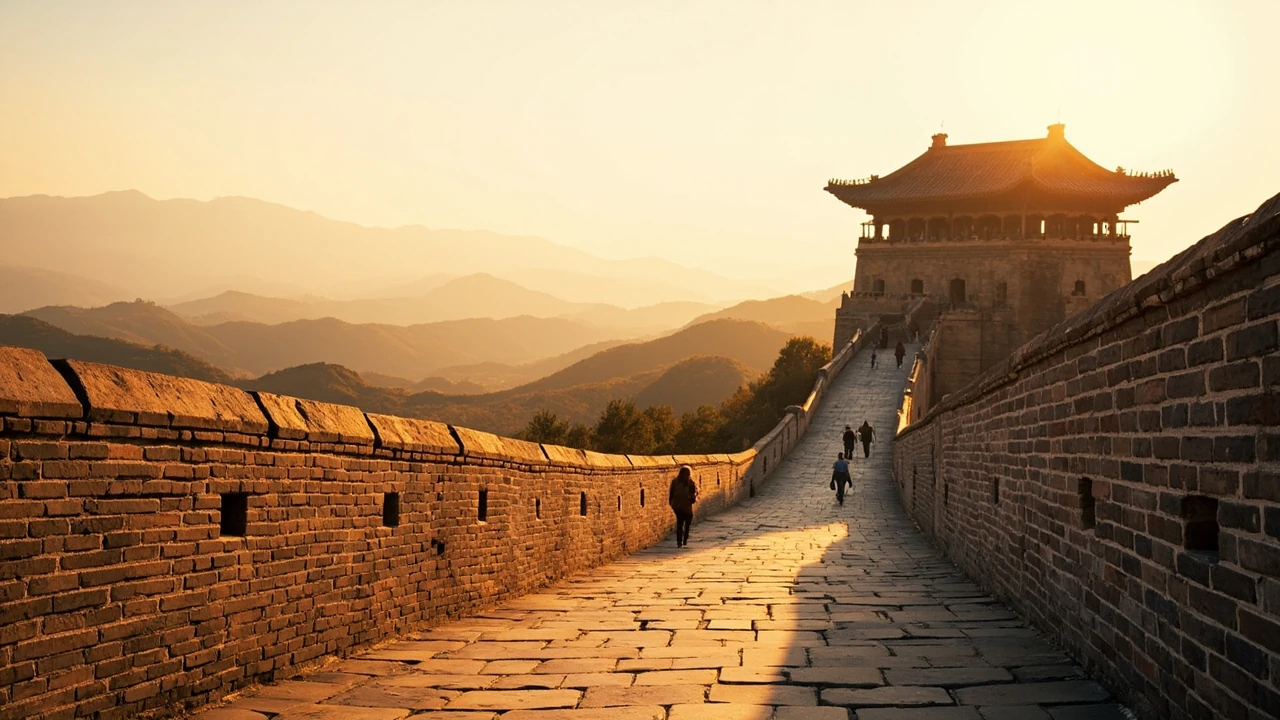
The Ancient City Wall offers a different perspective. Walking on the wall allows you to look across the modern city rather than simply pass through it. The route can feel especially revealing when the weather is clear, although visibility naturally varies. The wall also provides useful orientation: central landmarks appear in relation to one another, and you can better understand how the historic center fits into the larger urban form.
The Forest of Steles is another strong choice for travelers interested in calligraphy, inscriptions, and the physical record of Chinese history. It is less visually dramatic than the Terracotta Army, but it rewards attention. Similarly, the Small Wild Goose Pagoda area connects Buddhist architecture, religious history, and the development of Xi’an’s southern neighborhoods.
Readers who enjoy tracing a destination’s longer historical layers can compare that approach with how the history of Italy developed before the Roman Empire. The subject changes, but both experiences show why a city is easier to understand when its landmarks are treated as parts of a longer history rather than isolated photo stops.
Eat with a plan: regional dishes, street food, and easier choices
Food is one of the clearest ways to connect with Xian China, but the city offers such a large range of dishes that arriving without a strategy can be confusing. Regional specialties include wheat-based foods, richly seasoned meat dishes, thick soups, and wide belts of pulled noodles. Many travelers recognize biangbiang noodles, roujiamo, and paomo before they arrive, yet each dish has a different preparation and is worth trying in a setting that specializes in it.
| Food | What to expect | Best way to approach it |
|---|---|---|
| Biangbiang noodles | Wide, hand-pulled noodles often served with bold seasonings and vegetables or meat | Ask about portion size before ordering, especially if you want to share several dishes |
| Roujiamo | Shaved or torn bread filled with seasoned chopped meat | Try it from a busy stall specializing in the dish; eat it promptly while it is fresh |
| Paomo | A thick soup containing pieces of bread and meat or other ingredients | Check how it is prepared before ordering, since toppings and serving style vary |
| Yangrou paomo | A lamb-focused version of the thick bread soup | Choose it if you enjoy strongly seasoned lamb and want a warming, substantial meal |
| Biangbiang with meat or vegetable toppings | A full meal centered on broad noodles rather than a small tasting portion | Share it with another traveler and add a vegetable dish for balance |
The Muslim Quarter is associated with the city’s Hui Muslim food heritage. The area is known for street food, but not every busy-looking stall is necessarily the best choice. Look for clean preparation surfaces, visible staff, steady customer turnover, and food that is being cooked to order. Street food can vary in quality from one vendor to the next, so patience and observation are more useful than following the longest queue automatically.
Many dishes are shared. Ordering three or four small plates can produce a better meal than ordering two oversized portions, especially after a full day of walking. Ask for dishes to be divided if the group is large. A meal in Xi’an may unfold more slowly than a quick Western-style restaurant stop, and that is part of the experience rather than a delay to fight.
Keep a few practical dietary points in mind. Describe restrictions clearly and use an image or translation app when necessary. Vegetarian food is available, but a meat-based broth or shared cooking oil may complicate a strict diet. Food allergies can also be more difficult to manage in markets than in restaurants with clearly written menus and staff who can discuss preparation. Travelers with severe allergies should speak with the restaurant before ordering and avoid assuming that a dish’s name fully describes every ingredient.
For breakfast, look for a local noodle shop, a restaurant serving soup and wheat dishes, or a convenient hotel breakfast if your schedule is tight. Save street snacks for a lighter midday or afternoon meal so they complement rather than replace the main dining experience.
Getting around: match transportation to the day’s purpose
Xian China is easiest to navigate by combining walking, local transit, and prearranged or app-based car travel. The best mode depends on where you are going and how much of the surrounding area you need to see.
- Walking: Ideal for the City Wall, Bell Tower, central streets, museum areas, and many temple visits during comfortable weather.
- Metro: Useful for longer cross-city trips and for reaching major districts without relying on traffic conditions.
- Bus: Can reach areas not served directly by the metro, but route familiarity and travel time add complexity for short visits.
- Taxi or ride-hailing car: Useful for groups, early departures, late returns, or transfers involving several pieces of luggage.
- Organized excursion: Helpful for visiting the Terracotta Army with an English-speaking guide, though it should complement time in the city rather than replace it.
Allow a generous buffer when meeting a tour, train, or flight. Traffic, navigation systems, parking, hotel entrances, and station procedures can add time that does not appear in the direct travel estimate. If a cruise or airport transfer is time-sensitive, treat the route as part of the schedule rather than something to complete only after the main activity.
Keep small amounts of cash and your payment setup available. Card acceptance is common in many visitor-facing businesses, but markets, small stalls, and certain transportation services may have different practices. Avoid relying on a single payment method. A physical card and a phone-based option give you flexibility if one service is temporarily unavailable.
Do not confuse a street entrance with a complete attraction. Museums, temple compounds, and archaeological parks often include several separate exhibition areas with walking routes between them. A short walk on the map may still become a substantial visit once ticket checks, galleries, and outdoor sections are included. Build the internal route into your time estimate.
Handle crowds, culture, and common travel problems carefully
Large groups and popular cultural sites can create bottlenecks, especially during holidays and weekends. Arrive early where permitted, but confirm the current opening and ticketing arrangements first. Avoid assuming that buying a ticket at the entrance is always available, particularly for the Terracotta Army or major museums. Official ticket channels and current rules should guide reservations and entry.
At religious sites, dress and behavior deserve attention. Some spaces may be active places of worship rather than reconstructed monuments. Follow posted photography rules, keep your voice low inside halls, and avoid walking through a ritual or worship area simply because it is convenient. A respectful visitor watches for local customs and follows guidance from attendants.
Food and shopping require basic street awareness. Keep your belongings in front of you in crowded markets, do not accept a drink that has been left unattended, and ask for the total price before committing to a purchase. If a vendor seems eager to hurry you into buying something, it is reasonable to step away and compare. Authentic products vary widely, and high-pressure sales tactics are not a reliable sign of value.
Transport problems can usually be divided into simple categories:
- Wrong stop or station: Check the station name in Chinese characters and confirm the direction before boarding.
- Missed connection: Keep the next practical option in mind rather than assuming every line runs continuously at the same platform.
- Delayed car or ride: Save the driver’s name, vehicle details, and pickup point, then contact the booking service or hotel.
- Lost item: Contact the venue, transit operator, or ride-hailing platform promptly and provide a precise description of the item and location.
Mobile connectivity can make a trip much easier, but travelers should also know how to navigate without it. Save offline maps, keep your accommodation address in Chinese, and carry the confirmation details for bookings. At a museum or archaeological site, a screenshot of the ticket information can be more useful than a link that fails to load.
Most travel mistakes come from compressed schedules, not from a lack of attractions. Give each major site its own time block, keep one flexible period in the day, and carry water and a small snack for longer walks. Wear footwear that can handle uneven stone and long distances. The city rewards travelers who are willing to slow down once they arrive.
Practical checklist before you visit
A short checklist can prevent last-minute problems that are easy to fix in advance and expensive to solve after arrival.
- Confirm passport, visa, and entry requirements using current official information.
- Check the official channels for attraction reservations, timed entry, and temporary closures.
- Download maps for the center, museum area, and Terracotta Army excursion.
- Save your hotel’s Chinese name, address, and nearest transit stop.
- Carry a physical payment card and a backup form of payment.
- Pack comfortable shoes, water, sun protection, and a light layer for cool evenings.
- Learn the names of any serious food allergies in Chinese before the trip.
- Allow enough time between activities for security checks, walking, and changing transit lines.
- Keep digital and physical copies of passport, insurance, and booking information.
- Use the first day to adjust to local time, walking pace, payment methods, and navigation.
For a longer journey, it also helps to decide what you will intentionally skip. A trip to Xian China does not need to include every pagoda, museum, or shopping street to be rewarding. Choose the experiences that match your interests, leave room for spontaneous meals, and use a trusted local guide where interpretation would add something that a map cannot provide.
Frequently asked questions
How many days should travelers spend in Xian China?
Two full days are enough for the main highlights, including the Terracotta Army, the City Wall, the Bell Tower area, and the Muslim Quarter. Three to five days allow a more comfortable pace and make room for the Shaanxi History Museum, Small Wild Goose Pagoda, the Forest of Steles, and additional food experiences. Longer stays are useful for travelers interested in regional history, calligraphy, Buddhist sites, or slower neighborhood exploration.
Is the Terracotta Army worth a full day?
It deserves a substantial block rather than a rushed stop. The archaeological complex is extensive, and the museum helps explain the discovery, historical context, conservation work, and formation of the figures. If the Terracotta Army is your main reason for visiting, plan it as the day’s priority and keep other commitments light afterward.
What is the best time of year to visit Xian China?
Spring and autumn often provide comfortable conditions for long walks and outdoor sites, while winter can be cold and dry. Summer may offer longer daylight but also greater heat. The best choice also depends on your tolerance for crowds. Check current weather conditions, regional holidays, and attraction schedules rather than relying on a fixed month that may not suit every traveler.
Do I need a guide in Xian China?
A guide can be especially valuable at the Terracotta Army, where historical context and excavation details make the site easier to understand. Guides can also help at museums and smaller religious sites. Independent travelers can still enjoy the city using map-based navigation and local food recommendations, but a good guide adds interpretation rather than simply transportation.
Is the Muslim Quarter mainly for street food?
Food is a major attraction, but the quarter also contains historic lanes, religious and architectural features, and nearby sights worth exploring. Visit during a period when the area is active yet manageable, follow local etiquette, and eat at vendors with good turnover and visible hygiene. Treat the neighborhood as a place to explore rather than only a row of stalls.
Can visitors walk around the Xi’an City Wall?
Walking is one of the main ways to experience the wall, and many visitors use sections of it to understand the scale and layout of the historic city. Access points, conditions, and opening arrangements can change, so confirm current information before going. Wear supportive shoes and bring water, even if you plan to walk only part of the route.
Are English-language services available in Xian China?
English-language support is more likely at major attractions, museums, established restaurants, and hotels serving international travelers. Smaller shops, markets, and neighborhood restaurants may have less English. A translation app, the name of the destination in Chinese, and a few useful phrases can make daily navigation easier.
What should travelers do about mobile payments and cash?
Carry more than one payment option. Mobile payments are widely used, and many established businesses accept cards, but small vendors may differ. Keep a physical card and some cash available, and verify that your chosen methods work for the specific purchases you plan to make. Do not rely exclusively on a connection that may be unstable.
What are common mistakes first-time visitors make in Xian China?
The most frequent mistakes are trying to visit too many distant attractions in one day, underestimating walking and queue time, booking poorly timed transfers, and treating every street-food stop as a complete meal. Leaving flexible time, checking current entry arrangements, and sharing several regional dishes usually creates a smoother and more rewarding trip.
Is Xian China suitable for a family trip?
It can suit families that enjoy museums, food, history, and a city with major walkable sights. The Terracotta Army, City Wall, and museum areas offer educational experiences, but the scale of some sites may challenge younger children. Shorter morning visits, planned snack stops, and breaks between major attractions help prevent fatigue. Check current accessibility and family-entry arrangements before booking.




Leave a Reply